


Adjustable Wrist Support: What’s Driving the Opportunity for Sports Brands?
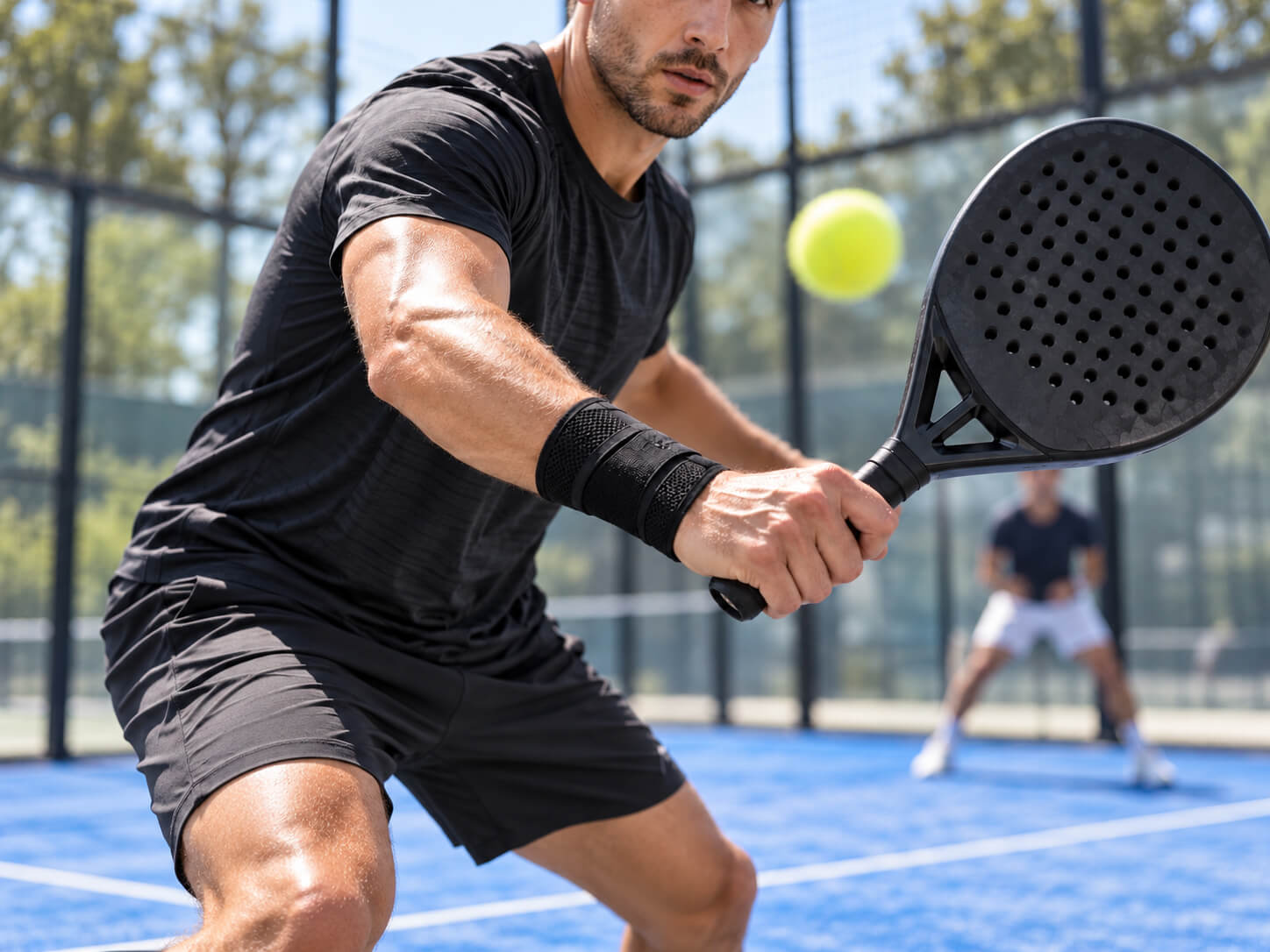
From pickleball courts to weight rooms, adjustable wrist support offers a practical way to personalize fit and wrist compression. For brands developing sports wrist support products, the opportunity lies in custom wrist braces and OEM wrist supports designed around specific activities—not a one-size-fits-all promise of protection.
The appeal is straightforward: users want support that fits comfortably, is easy to adjust, and works with the movements their sport requires. For buyers and product developers, that makes fit, materials, and intended use more useful starting points than simply adding a stronger strap.
1. More Players Mean More Potential Use Cases
A larger sports participation base creates more opportunities to understand what different users need from their equipment.
According to SFIA’s U.S. pickleball participation statistics, 24.3 million Americans played pickleball in 2025. The association also reports approximately 1.07 million U.S. padel participants that year.
These figures describe participation—not wrist-brace sales. They suggest a broader potential customer base, but they do not establish how many players need a support or will purchase one.
For sports brands, the takeaway is to investigate distinct user groups: recreational paddle players, regular gym users, cyclists, and others whose activities involve repeated gripping or loading through the hands. Their needs may overlap, but their ideal products will not necessarily look or feel the same.
2. Wrist Problems Are Not Limited to Sudden Accidents
Falls and collisions are only part of the picture. Repeated movement and loading can also contribute to wrist problems.
The Mayo Clinic overview of wrist sprains explains that sprains can follow a fall onto an outstretched hand or repetitive use, including in racket sports and activities that place substantial stress through the wrist.
That does not mean every athlete needs a brace. Nor does it establish that a soft compression wrap prevents these injuries.
A sports support is an accessory, not a substitute for appropriate technique, sensible training loads, or assessment of an injury. Pain after a fall, swelling, difficulty moving the wrist, or symptoms that persist after stopping the aggravating activity should be evaluated by a healthcare professional.
3. Why Adjustable Fit Matters
A fixed-size sleeve offers simplicity. An adjustable design adds another way to fine-tune the fit within the product’s intended size range.
Depending on its construction, an adjustable wrist support may offer:
- Adjustable snugness: Users can tighten or loosen the strap rather than relying entirely on fabric stretch.
- A more individualized fit: Strap placement can accommodate differences in wrist shape and preferred feel.
- Convenient handling: Accessible closures can make fitting and removal easier.
- Different support options: Brands can vary strap width, coverage, and material stiffness for different uses.
Adjustable does not mean universally sized. A product still needs clear wrist measurements, fitting instructions, and a defined adjustment range.
It also does not mean more compression is always better. Fit should feel secure without causing numbness, tingling, or changes in hand color. Unless tested and specified, adjustable tension should not be marketed as a calibrated medical compression level.
4. Develop Around the Activity, Not Just the Product Name
A soft sports wrap, a weightlifting wrist wrap, and a rigid medical brace are not interchangeable. Buyers should define what the product is intended to do before choosing materials.
| Intended activity | Design priorities to evaluate |
| Tennis, pickleball, and badminton | Low bulk, grip compatibility, breathability, and usable wrist movement |
| Strength training | Strap security, stiffness, coverage, and compatibility with the intended lifts |
| Basketball | Secure fit, low-profile closures, and compliance with the league’s equipment rules |
| Cycling | Handlebar comfort, glove compatibility, and avoidance of concentrated strap pressure |
| General fitness | Easy adjustment, comfort, clear sizing, and straightforward care |
These are development considerations, not proof that one design prevents injuries in each sport. Test prototypes during the movements customers actually perform, rather than evaluating fit only while the wrist is still.
5. Materials and Construction Need to Work Together
A strap alone does not make a strong product concept. The fabric, seams, closure, and overall shape all influence how the support feels.
When comparing samples, evaluate:
- Fabric stretch and recovery after repeated use
- Heat buildup and moisture handling
- Seam placement against the skin
- Closure security through repeated adjustment
- Strap edges that could catch on clothing
- Fit during gripping and movement
- Shape retention after washing according to the care instructions
Material names are only a starting point. Breathability and comfort depend on the complete construction, including thickness, lining, perforation, and coverage.
For example, the FISTO breathable adjustable wrist support brace combines lightweight, moisture-wicking fabric with two-way stretch and an adjustable strap. Its thin wrap-around design follows the wrist’s contours, while the strap allows users to adjust the fit and compression. It shows how flexible materials and simple adjustment can provide comfortable sports wrist support with minimal bulk.
6. Custom Wrist Braces Offer More Than Branding Options
For private-label buyers, customization is most useful when it addresses a defined customer need.
A development brief for OEM wrist supports can cover:
- Intended sport and user group
- Wrist circumference range
- Left-, right-, or either-wrist configuration
- Fabric composition and thickness
- Strap length, width, and closure placement
- Desired flexibility and support structure
- Colors, logos, packaging, and care labels
- Sample testing and production tolerances
FISTO’s OEM and ODM services provide a starting point for discussing custom sports-equipment projects. Buyers should confirm which material and structural changes are available for the selected wrist-support model before approving samples.
A shared base design may support several product variations, but changing the logo alone does not make a product suitable for a different activity.
7. Evaluate Demand Without Overstating the Market
Participation data helps identify where to research. Injury data helps explain relevant physical demands. Neither, by itself, measures demand for adjustable wrist supports.
Before expanding a product line, assess actual purchasing signals:
- Which activities customers mention in inquiries
- Fit-related complaints and return reasons
- Repeat orders from retailers or distributors
- Preferred price points and packaging formats
- Feedback from samples tested by intended users
This approach helps distinguish a genuine product opportunity from a broad claim that everyone who plays sports needs a brace.
The Bottom Line
The opportunity for adjustable wrist support is about better fit and clearer product choices—not maximum restriction for every athlete.
For North American sports brands and buyers, a compelling product combines comfortable materials, usable adjustment, defined sizing, and an honest description of its intended function.
Start with the activity, validate the design with users, and build the product around their needs. That is a stronger foundation for a private-label range than promising universal protection.
FAQ
Hand and wrist injuries account for approximately 25% of all sports-related injuries. Activities such as tennis, pickleball, fitness training, basketball, and weightlifting can place repetitive or significant stress on the wrists. As more people participate in sports and fitness activities, the demand for wrist support and protection continues to grow.
An adjustable wrist brace features straps and a wraparound design that allow users to customize the fit and compression level based on their wrist size, type of activity, and personal preferences. Compared to a fixed-fit wrist brace, it offers greater flexibility and a more personalized fit, making it suitable for a variety of sports and physical activities.
Adjustable wrist supports can be used for a variety of sports, including tennis, pickleball, badminton, basketball, fitness training, weightlifting, CrossFit, and cycling. Since each sport places different demands on the wrist in terms of movement and stress, wrist supports can be specifically designed with different materials, support structures, and adjustment features to meet the needs of each activity.


