


Do Patella Knee Braces Actually Work?
Your knee starts aching halfway through a run, during a pickleball match, or every time you walk downstairs. You’ve seen people wearing knee braces and those small straps below the kneecap—but do they actually help?
Patella knee braces may help some people manage symptoms, but their effectiveness depends on the condition and the type of support. Patellar tendon straps may offer short-term relief for some people with tendon pain. Evidence for braces treating broader pain around the kneecap is less convincing. Neither should be treated as a guaranteed fix.
Before choosing one, it helps to understand what you’re buying, what the research shows, and what you can realistically expect.
What Is a Patella Knee Brace?
The patella is your kneecap. Products sold as “patella knee braces” include several different designs, which can make shopping confusing.
| Type of Support | What It Looks Like | What Distinguishes It |
| Patellar tendon strap | A narrow band worn below the kneecap | Applies localized pressure over the patellar tendon |
| Patellofemoral brace | A larger support around the knee, sometimes with a shaped pad | Designed to support the kneecap and the front of the knee |
| Compression knee sleeve | A stretchy sleeve that slides over the knee | Provides general compression rather than the structural support of a brace |
These products serve different purposes. A patellar tendon strap and a compression sleeve may both look like simple knee supports, but research on one does not establish that the other will provide the same benefit.
What Does the Research Say?
The answer becomes clearer when you separate two commonly confused conditions: patellar tendinopathy and patellofemoral pain.
Patellar Tendon Pain: Straps May Offer Short-Term Relief
Patellar tendinopathy, often called jumper’s knee, affects the tendon connecting the kneecap to the shinbone.
A randomized controlled trial involving 97 athletes compared patellar straps, sports tape, placebo tape, and no support. A strap reduced pain during a single-leg decline squat compared with no support, but the difference compared with placebo tape was not statistically significant. Some short-term improvements also occurred with placebo tape.
The practical takeaway is modest: a patellar tendon strap may help reduce discomfort in the short term, but this does not establish that it heals the tendon or addresses the underlying problem.
Pain Around the Kneecap: Brace Benefits Are Less Certain
Patellofemoral pain, often called runner’s knee, typically involves pain around or behind the kneecap. Stairs, squats, running, and prolonged sitting with bent knees can aggravate it.
A 2015 Cochrane review found very low-certainty evidence that adding a knee brace, sleeve, or strap to an exercise program did not improve short-term pain or function compared with exercise alone. Because the evidence was limited, this finding does not prove that every brace is ineffective.
It does mean that a knee brace should not be presented as a reliable standalone treatment for patellofemoral pain.
Why the Cause of Your Knee Pain Matters
Two people can point to nearly the same spot on their knees and need different treatment.
Pain near the kneecap may involve the patellar tendon, the patellofemoral joint, arthritis, or an instability problem. The location provides a clue, but it is not enough to make a diagnosis.
A healthcare professional may assess your symptoms, movement, strength, and knee stability to identify what is happening. That assessment can also help determine whether a brace has a useful role.
When comparing products, ask a specific question: Does this type of support match the condition I’m trying to manage?
What Should You Look for in a Patella Knee Brace?
Once you know which type of support is appropriate, focus on fit and everyday usability.
Accurate Sizing
Follow the manufacturer’s measurement instructions. Different products measure around different parts of the leg, so your size in one brand may not match another.
Avoid choosing a smaller size simply to get more compression.
Useful Adjustability
An adjustable knee brace should let you achieve a secure fit without excessive pressure. Easy-to-reach straps also make it simpler to put on consistently.
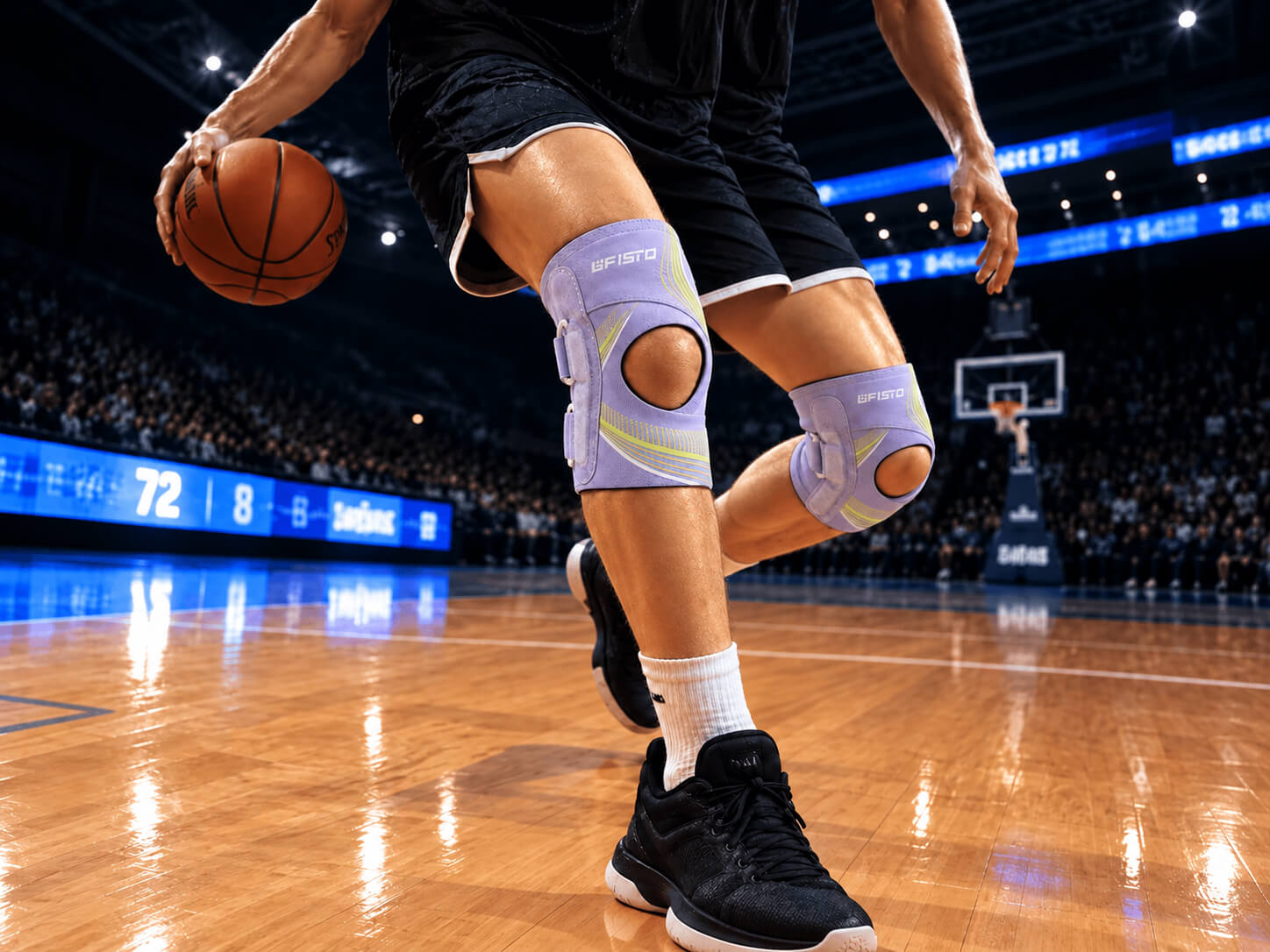
For example, the FISTO adjustable patella knee brace combines an open-patella design with adjustable straps and built-in side supports. Its flexible wraparound construction allows users to adjust the fit and compression around the knee. Whether this style is suitable depends on your support needs and the cause of your symptoms.
Comfortable Construction
Compare the fabric, seams, edge binding, and amount of material behind the knee. Consider how the support will fit with your clothing and whether it feels practical for your intended activity.
A Clear Description of Its Support
Look beyond labels such as “professional” or “maximum support.” Check whether the product offers general compression, a localized tendon strap, or a specific kneecap-support feature.
Start with the type appropriate for your condition, then compare the practical details.
How Tight Should a Patella Knee Brace Be?
A brace should feel secure without causing pain or restricting circulation. Tightening it harder does not guarantee better results.
Our guide to whether a tighter knee brace is better explains why measuring your leg and choosing the correct size matter more than simply pulling the straps tighter.
If wearing the brace causes numbness, tingling, skin irritation, or increased pain, remove it and check the fit. Persistent symptoms need professional attention. Follow the product instructions and any fitting advice from your clinician.
What Helps Beyond Wearing a Brace?
For patellofemoral pain, a longer-term plan should include an exercise program tailored to your needs.
The American Physical Therapy Association’s guide to physical therapy for patellofemoral pain describes how hip and knee strengthening, movement training, and a gradual return to activity can help. A brace may have a supporting role, but it does not replace that rehabilitation work.
Your activity level also matters. Suddenly increasing running distance, workout intensity, or the number of training days can contribute to symptoms. Adjusting activities that aggravate the knee is part of conservative care.
For example, if discomfort began after adding several extra pickleball sessions each week, reviewing that increase is an important part of the conversation. Buying a support should not be the only change you consider.
FAQ
No. Results vary with the diagnosis, support design, and individual response. Evidence for one condition or product type should not be generalized to all knee pain.
There is no universal wearing schedule. Some people use support during activity, while others receive specific instructions after an injury or procedure. Follow the schedule recommended for your condition instead of assuming longer wear is better.
It cannot guarantee injury prevention. Feeling more supported does not establish that a brace will prevent an injury or make every activity safe.
Get your knee assessed if pain persists or keeps getting worse. Seek urgent medical care if you cannot bear weight, your knee becomes severely swollen or changes shape, or you develop fever with redness and warmth around the joint.
The NHS guide to knee pain and warning signs explains symptoms that need prompt attention. A brace should not delay an assessment when these signs are present.
A patella knee brace may be worth considering when you understand your diagnosis and have a clear reason for using that particular support. Keep expectations specific: possible symptom relief, appropriate support, and a comfortable fit.
For patellofemoral pain, exercise and education remain the foundation of care. A physical therapist or sports medicine clinician can help you decide whether a brace belongs in your plan and how to use it alongside rehabilitation.


