


Major Pickleball Tournaments in 2026: Global Events and Calendar Guide
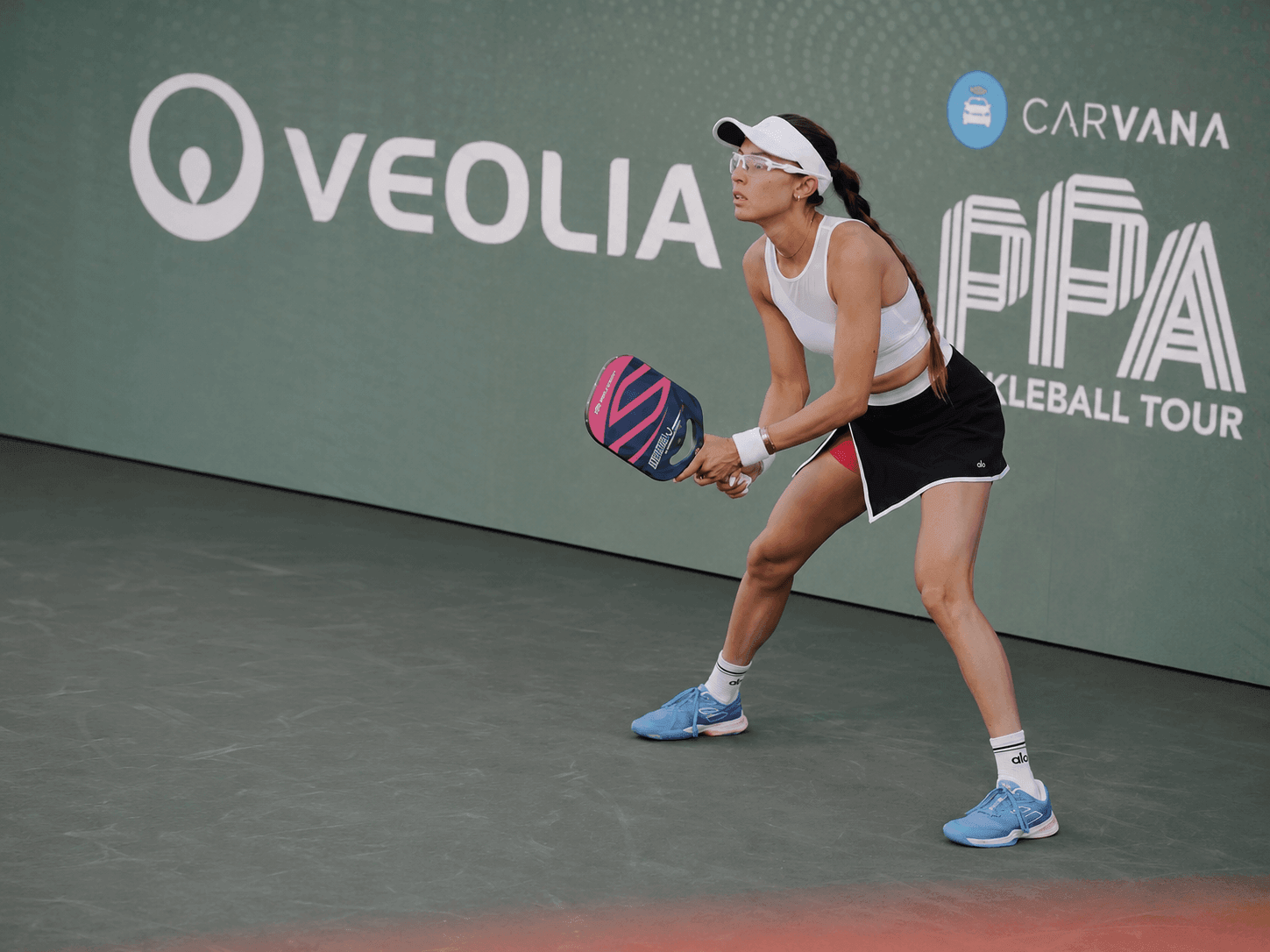
If you are mapping out 2026 pickleball tournaments, this pickleball tournament guide brings together the year’s major pickleball tournaments, including the PPA Tour 2026 season and the MLP Finals 2026.
From professional tour stops and national championships to team-based competition, 2026 offers plenty for players and fans to follow. The calendar also gives paddle brands, manufacturers, retailers, and other sports businesses a closer look at how the game is evolving.
Here are the biggest events, confirmed dates, and equipment trends worth watching.
2026 Pickleball Tournament Schedule at a Glance
| Event | 2026 Dates | Location | Why It Matters |
| US Open Pickleball Championships | April 11–18 | Naples, Florida | Large international event for professional and amateur players |
| PPA Tour | Year-round | United States and international markets | Major professional individual and doubles tour |
| Major League Pickleball | May–August | Multiple U.S. cities | Professional team-based competition |
| MLP Finals | August 28–30 | New York City | Championship weekend for the team season |
| USA Pickleball National Championships | October 31–November 8 | San Diego, California | Qualification-based U.S. national championship |
Schedules, venues, broadcast plans, and registration requirements can change. Players and spectators should always check the event organizer’s latest information before booking travel.
1. PPA Tour: A Major Stage for Professional Pickleball
The Professional Pickleball Association Tour remains one of the most visible platforms in professional pickleball.
Its primary events feature five major divisions:
- Men’s singles
- Women’s singles
- Men’s doubles
- Women’s doubles
- Mixed doubles
The season includes a combination of Majors, Cups, Opens, and Challenger events. Players earn ranking points throughout the year as they compete for qualification and positioning in the season-ending standings.
The 2026 calendar also demonstrates how the professional game is moving beyond its U.S. base. In addition to tournaments across the United States, PPA-affiliated events appear in Canada, Europe, Asia, and Australia.
Examples include events scheduled for Kuala Lumpur, Barcelona, Hong Kong, and Brisbane. That broader geographic reach gives local athletes more opportunities to enter high-level competition while helping international audiences become familiar with professional pickleball.
What Brands Can Learn From the PPA Tour
Professional matches offer more than entertainment. They allow paddle manufacturers and product developers to observe:
- Paddle shapes used for singles and doubles
- Standard versus elongated handles
- Player preferences for 14mm and 16mm cores
- Raw carbon fiber and woven carbon surfaces
- Swing speed and paddle maneuverability
- Stability during blocks and counterattacks
- Control during dinks, resets, and third-shot drops
- The balance between power and touch
Professional equipment choices should not be treated as universal recommendations. However, they can reveal broader performance priorities that may influence recreational and competitive product categories.
2. US Open Pickleball Championships: A Major Annual Celebration
The US Open Pickleball Championships is one of the best-known large-scale events in the sport.
Held April 11–18 in Naples, Florida, the 2026 tournament marked the event’s 10th anniversary. According to the official US Open Pickleball Championships report, the event brought together more than 55,000 fans and 3,750 players representing all 50 states and 53 countries.
Those numbers reflect one of the event’s defining characteristics: the US Open is not limited to a small professional field. It brings professional competition, amateur divisions, spectators, vendors, community activities, and on-site brand experiences into one large event week.
For fans, it provides an opportunity to watch high-level matches while exploring the broader culture surrounding pickleball. For amateur competitors, it offers a chance to participate in a nationally recognized event alongside players from many regions and skill levels.
Why the US Open Matters to the Industry
A large event of this type can help businesses evaluate:
- Which products attract attention in vendor areas
- How recreational and competitive players shop differently
- Which paddle features consumers ask about most often
- How brands explain materials and performance benefits
- What equipment players carry for full tournament days
- How product demonstrations influence purchasing decisions
The event also shows that modern pickleball tournaments are becoming complete sports experiences rather than stand-alone competitions.
3. Major League Pickleball: Professional Team Competition
Major League Pickleball takes a different approach from traditional singles and doubles tournaments.
Instead of entering as independent players or pairs, athletes represent professional teams. The 2026 league includes 20 hometown teams competing for standings points and postseason qualification.
The 2026 calendar features 13 events:
- Nine regular-season stops
- One Mid-Season Tournament
- Three playoff weekends
This format gives fans a reason to follow teams throughout the season rather than focusing only on individual athletes.
What Makes MLP Different?
MLP places additional emphasis on:
- Roster construction
- Team chemistry
- Mixed-gender competition
- Match-by-match strategy
- Player order and lineup decisions
- Communication under pressure
- Performance across an entire season
A strong singles player or doubles specialist can make an important contribution, but the team must also manage different partnerships, playing styles, and competitive situations.
The format creates storylines that are familiar to North American fans of other professional team sports: hometown identities, team standings, trades, playoff races, and championship pressure.
4. MLP Finals 2026: Championship Weekend in New York
The 2026 MLP season concludes with the Finals from August 28–30 at CityPickle at Wollman Rink in New York City’s Central Park.
Playing a professional team championship in such a recognizable location gives the league additional visibility. It also places pickleball in a high-traffic urban environment where spectators may encounter the sport even if they do not regularly follow professional tournaments.
By the Finals, teams have already worked through the regular season, Mid-Season Tournament, and earlier playoff rounds. Championship weekend therefore tests more than individual shot-making.
Teams must manage:
- Pressure in elimination matches
- Partnership selection
- Tactical adjustments between games
- Physical recovery
- Momentum after difficult losses
- Communication in high-pressure situations
For fans new to MLP, the Finals are an accessible way to see how professional team pickleball differs from a traditional tournament bracket.
5. USA Pickleball National Championships
The Oceanview USA Pickleball National Championships will take place from October 31 through November 8 at Barnes Tennis Center in San Diego, California.
Unlike an open recreational event where anyone may register directly, Nationals uses a qualification-based pathway. Golden Ticket tournaments and the Tiered Point System help determine access and registration priority.
The official USA Pickleball National Championships page provides current information about qualification, registration, tickets, divisions, and the competition schedule.
Understanding the Golden Ticket Pathway
Golden Ticket tournaments offer one of the most direct routes to Nationals. Gold medalists receive priority registration access, while sanctioned tournament participation and results can also contribute points through the Tiered Point System.
Players interested in qualifying should:
- Review the current eligibility requirements.
- Confirm that their membership and rating information are accurate.
- Identify sanctioned and Golden Ticket events in their region.
- Enter the correct age and skill division.
- Track registration deadlines and qualification updates.
- Avoid booking travel until their entry is confirmed.
Players preparing for their first organized competition may also want to review these first pickleball game rules, shots, and equipment tips. Recreational play and national-level tournament competition are very different, but a solid understanding of scoring, positioning, and court etiquette is the right starting point.
6. The International Expansion of Pickleball
Although many of the most recognizable tournaments remain based in the United States, the 2026 schedule shows that professional pickleball is becoming more international.
Tour events and regional competitions are appearing across:
- Canada
- Australia
- Southeast Asia
- Greater China
- Western Europe
- Other emerging pickleball markets
This expansion matters for several reasons.
More Opportunities for International Players
Athletes may no longer need to travel to the United States for every significant tournament. Regional events give them additional opportunities to gain experience, build ratings, and compete against stronger fields.
Greater Visibility for Local Markets
A professional event can introduce pickleball to new spectators, attract facility investment, and encourage local clubs to organize lessons, leagues, and amateur tournaments.
New Requirements for Equipment Companies
Product preferences may vary by region. Climate, court type, player background, price expectations, and access to coaching can influence which paddles and accessories perform well in each market.
A paddle promoted to advanced North American tournament players may require different positioning when introduced to a newer recreational market.
More Connected Rating and Competition Systems
As international tournaments become connected to recognized rating platforms, it becomes easier to compare players across regions and organize divisions with more consistent competitive levels.
The result is a sport moving toward greater globalization, professionalization, and commercial organization.
7. Tournament Trends That May Influence Paddle Design
Major tournaments are useful places to study how equipment performs under pressure.
Players at higher competitive levels often look for a specific balance of power, control, spin, stability, and hand speed. Their priorities generally depend on playing style.
Power-Focused Players
Power players may prefer:
- High structural stability
- Strong energy return
- A firm response on drives and overheads
- Additional reach from an elongated shape
- Enough weight to remain stable against hard shots
Control-Focused Players
Control players may prioritize:
- Predictable ball response
- A softer feel during resets and dinks
- Consistent placement
- A larger and more forgiving sweet spot
- Surface texture that supports spin generation
All-Court Players
All-court players often want a balanced paddle that can handle:
- Baseline drives
- Third-shot drops
- Kitchen exchanges
- Defensive blocks
- Quick counterattacks
- Controlled finishing shots
Core material, thickness, paddle shape, surface construction, grip size, balance point, and total weight can all influence how a paddle feels.
For example, the Stalke T700 Carbon Fiber Pickleball Paddle combines a high-rigidity T700 carbon fiber surface with a 16mm high-density EPP core. This construction is designed to provide solid power, precise shot placement, vibration absorption, and balanced control during fast-paced matches and extended rallies.
Professional-style construction does not automatically make a paddle suitable for every player. Brands should still consider skill level, playing frequency, physical comfort, and preferred shot style when developing or recommending products.
8. How Players and Businesses Can Use the Tournament Calendar
The annual calendar can be useful even if you are not planning to compete in a major championship.
For Recreational Players
Watching professional matches can help you study:
- Court positioning
- Partner movement
- Shot selection
- Transition-zone defense
- Serve and return patterns
- Kitchen-line strategy
Focus on one element at a time instead of trying to copy every professional technique.
For Competitive Players
Use the schedule to plan qualification events, travel, training blocks, recovery periods, and equipment testing.
Avoid making major paddle, grip, footwear, or technique changes immediately before an important tournament.
For Paddle Brands and Manufacturers
Track which paddle shapes, core thicknesses, materials, and performance claims appear most often. Compare what professionals use with what amateur consumers actually buy.
The two groups may influence each other, but their needs are not always identical.
For Retailers and Distributors
Major events can create seasonal interest around specific players, tournament formats, and equipment categories. Content, inventory, and promotional timing can be planned around confirmed events without implying an official relationship with the organizer.
Final Thoughts
The 2026 pickleball calendar reflects a sport that is growing in several directions at once.
The PPA Tour continues to develop individual professional competition across domestic and international markets. The US Open combines high-level play with a large festival-style experience. MLP gives fans a team-based season and postseason format, while the USA Pickleball National Championships provides a qualification-driven stage for elite competition.
For players, these events offer opportunities to study strategy, discover new competition pathways, and follow the sport’s best athletes.
For brands and manufacturers, they provide a valuable look at paddle construction, player preferences, product positioning, and changing market expectations.
As professional tours expand across North America, Europe, Asia, and Australia, the global pickleball tournament calendar is likely to become more competitive, more connected, and more commercially significant.
Event details may change, so always confirm current dates, venues, registration requirements, and ticket information with the official organizer before making plans.
FAQ
Major pickleball events to watch in 2026 include the PPA Tour, the US Open Pickleball Championships, Major League Pickleball (MLP), and the USA Pickleball National Championships. Together, these events represent different formats of competitive pickleball, including professional tour events, large-scale tournaments, team-based league competition, and the U.S. national championships.
Yes. In addition to professional events, USA Pickleball offers a wide range of sanctioned tournaments and Golden Ticket events. Amateur players can compete in divisions that match their skill level and eligibility. Golden Ticket events also provide qualified players with a pathway to earn a spot in the USA Pickleball National Championships.
Yes, it can be helpful. Watching how professional players play and understanding the demands of competitive matches can give you a better sense of how different paddles perform in terms of power, control, stability, and maneuverability.
However, the paddles used by professional players are not necessarily the best fit for every recreational player. When choosing a paddle, it is still important to consider your own skill level, physical strength, and playing style.


