


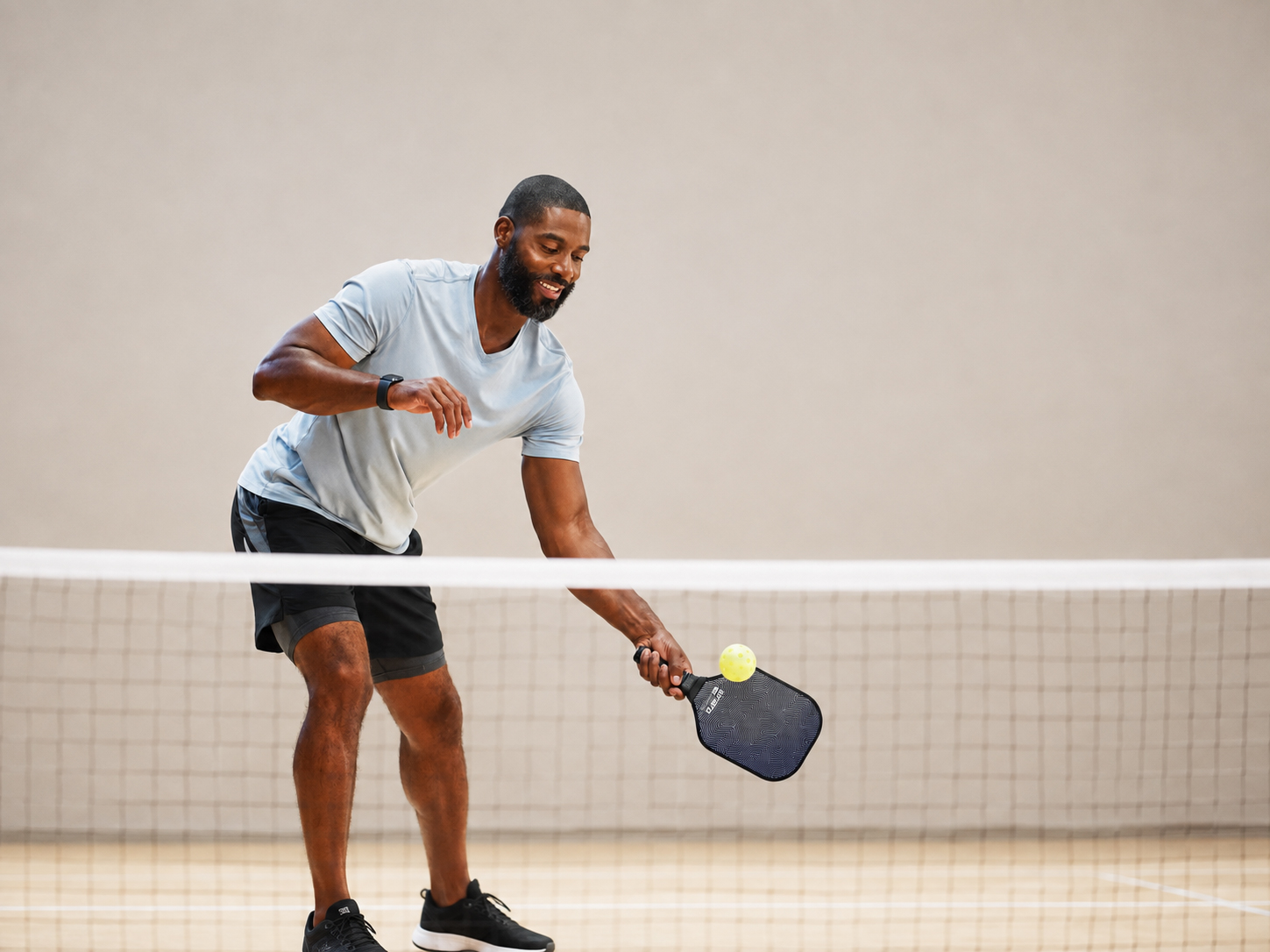
Wrist Pain After Pickleball? These Are the Most Likely Causes
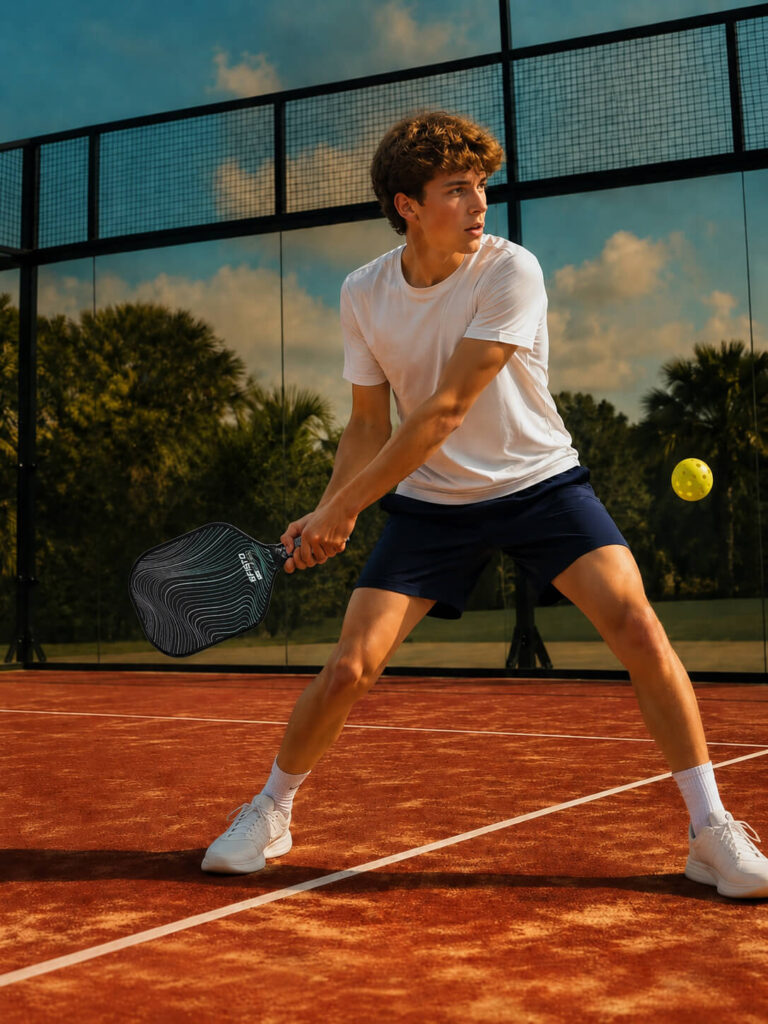
If you’re dealing with pickleball wrist pain after a game, you’re not alone. What feels like ordinary soreness may be caused by repetitive strain or a developing wrist injury. Improving your technique, choosing the right wrist support, performing regular wrist stretches, and following simple pain relief practices can help protect your wrist and keep you on the court.
Unlike tennis or badminton, pickleball doesn’t require a large swing on every shot. The movements may look easy, but repeated blocks, pushes, dinks, and wrist flicks can place considerable stress on the wrist over time.
Here are the most common causes of wrist pain after pickleball—and what you can do about them.
1. Using Too Much Wrist
One of the most common beginner mistakes is trying to control every shot with the wrist.
During dinking exchanges, quick blocks, and defensive returns, many players instinctively tense their wrists or flick the paddle to guide the ball. A single shot may not feel stressful, but repeating this motion hundreds of times can overload the tendons and soft tissues around the wrist.
The result is often post-game soreness, stiffness, or pain when gripping and swinging.
What to do: Let your forearm and shoulder guide the paddle while keeping your wrist relaxed and relatively stable. Avoid excessive wrist flicking or trying to generate all your power from one joint.
2. Absorbing Hard Shots With a Stiff Wrist
Fast drives, overhead smashes, and hard volleys can send a surprising amount of force through the paddle.
If you block these shots with a rigid wrist and no cushioning movement, the impact travels directly into the wrist joint. Repeated exposure may lead to soreness and increase the risk of an overuse injury.
What to do: Use “soft hands” when blocking hard shots. Slightly relax your grip and allow your arm and paddle to give a little at contact. This helps absorb the pace instead of forcing your wrist to take the entire impact.
3. Gripping the Paddle Too Tightly
A death grip on the paddle is another hidden cause of pickleball wrist pain.
Holding the paddle too tightly keeps the muscles in your wrist and forearm tense throughout the game. This constant tension increases fatigue, limits smooth movement, and can make post-game soreness much more noticeable.
Paddle weight and grip size can also affect comfort. A grip that is too large may restrict wrist movement, while one that is too small can make players squeeze the handle harder. Our Beginner’s Guide to Choosing a Pickleball Paddle explains how to select the right weight, grip size, shape, and core.
What to do: Maintain a relaxed grip during rallies and tighten it only slightly at contact when necessary. Release that extra tension immediately after the shot instead of squeezing the handle continuously.
4. Skipping Your Warm-Up
Many recreational players walk onto the court and start hitting without warming up their wrists or forearms.
Cold, stiff muscles and joints are less prepared for repeated dinks, blocks, volleys, and drives. Long sessions with highly repetitive movements can further increase fatigue and strain.
The American Academy of Orthopaedic Surgeons’ injury-prevention guidance recommends warming up before exercise and performing stretches slowly without stretching to the point of pain.
What to do: Spend a few minutes warming up before you play. Try gentle wrist circles, open-and-close hand movements, and light forearm stretches. Begin with controlled shots before moving into faster rallies.
5. Ways to Prevent and Reduce Pickleball Wrist Pain
Warm Up Before Every Game
Perform wrist circles and gentle wrist stretches, and loosen your forearms before picking up the pace.
Improve Your Swing Mechanics
Avoid relying on your wrist alone. Let your forearm, shoulder, and body work together to guide the paddle and generate power.
Relax Your Grip
Hold the paddle firmly enough to control it, but not so tightly that your wrist and forearm remain tense throughout the game.
Recover After Playing
Gently stretch your wrists and forearms after a match. Light massage may also help reduce muscle tightness. If the area is painful rather than simply tired, stop playing and give it time to recover.
Consider Lightweight Wrist Support
If you experience recurring discomfort, a lightweight pickleball wrist support may help stabilize the joint and limit unnecessary movement. It should feel supportive without restricting circulation or interfering with your natural swing.
Players looking for additional stability can explore this breathable sports wrist support brace, designed to provide adjustable compression during training and other athletic activities.
A brace should complement proper technique and recovery rather than serve as a substitute for medical care.
Final Thoughts
Pickleball wrist pain is often related to technique, grip tension, poor shock absorption, insufficient warm-up, or repetitive overuse—not simply how hard you play.
Learning to keep your wrist stable, relaxing your grip, and using your entire arm can reduce unnecessary stress. Regular wrist stretches and appropriate wrist support may also help with prevention and pain relief.
Wrist pain can have several causes, including repetitive stress, sprains, fractures, arthritis, and nerve-related conditions. If your pain is sharp or persistent, accompanied by swelling or numbness, or gets worse when you grip the paddle, stop playing and consult a qualified healthcare professional. The Mayo Clinic’s wrist pain guide provides additional information about common causes, symptoms, and when professional evaluation may be necessary.
Addressing a possible wrist injury early can help prevent a minor problem from becoming a long-term issue.
FAQ
The key difference is how power is generated. Tennis and badminton generally rely on larger swings involving the shoulder and forearm, while pickleball features more dinks, blocks, and fast drives at the net. Because these movements are smaller and repeated more frequently, beginners often rely too heavily on the wrist or brace it against incoming shots. Over time, that repeated stress can lead to muscle soreness and tendon strain—a common issue among pickleball players.
You may not be absorbing the pace properly and are keeping your wrist too rigid at impact. A relaxed grip reduces muscle tension, but if your wrist stays locked when returning fast drives or overhead smashes, more of the impact is transferred directly to the wrist joint. Without a slight give or controlled paddle movement to cushion the shot, repeated stress on the wrist tendons can still lead to overuse pain.
If the soreness is mild, you may be able to keep playing at a lower intensity for shorter periods while correcting your technique. However, if you feel sharp pain when swinging or have a persistent ache, stop playing and give your wrist time to recover.
Recurring pain can be an early warning sign of an overuse injury. Continuing to play with poor mechanics may lead to tendon irritation or tenosynovitis and turn a minor issue into a recurring injury. A lightweight wrist brace may provide extra support, but improving your technique is essential to addressing the underlying cause. If the pain persists or worsens, consult a healthcare professional.


