Fiberglass vs Carbon Fiber Pickleball Paddles
Fiberglass vs Carbon Fiber Pickleball Paddles The surface material of a pickleball paddle determines its hitting feel, rebound performance, durability, and service life, which are the top concerns for individual buyers. Currently, fiberglass and carbon fiber are the two mainstream materials for global pickleball paddles. In this guide, we compare fiberglass and carbon fiber pickleball paddles in six dimensions: performance, hitting feel, durability, price, user groups, and commercial application scenarios, helping you make accurate purchases and bulk orders.
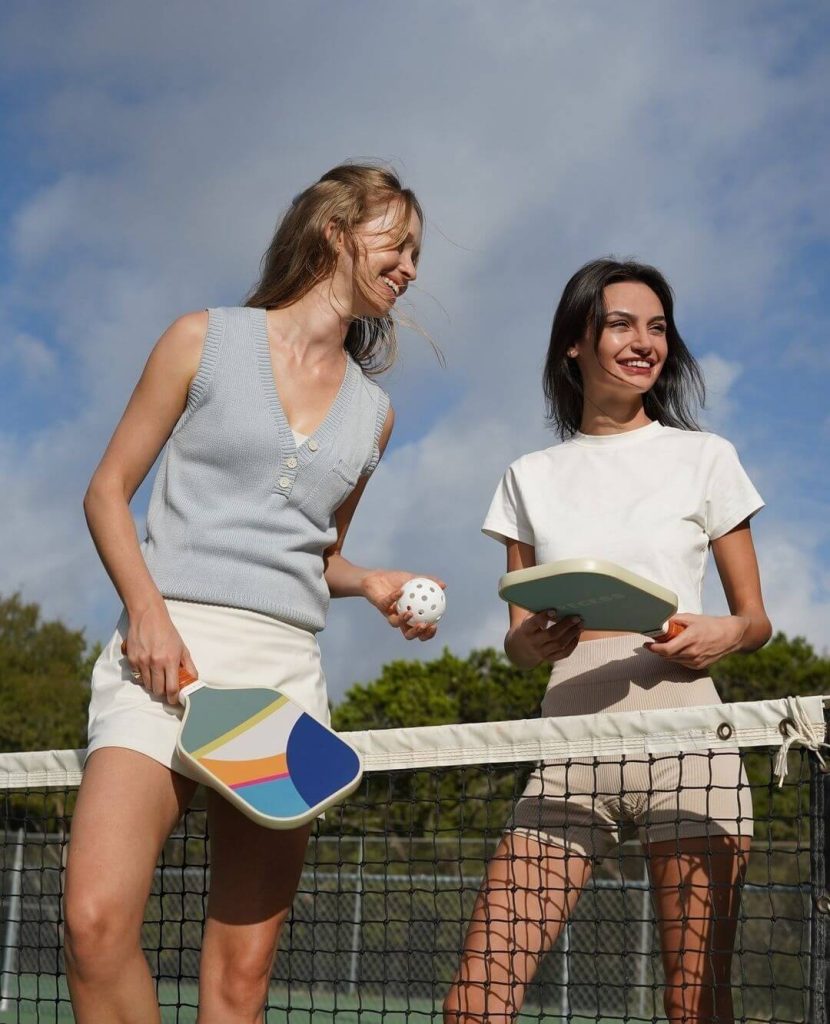
Fiberglass pickleball paddles dominate the entry-level market. Their core advantages are soft hitting feedback and ultra-high fault tolerance. The gentle hitting feeling avoids stiff vibration and effectively reduces sports strain on the arms, making them extremely friendly for beginners and casual players. With excellent toughness and impact resistance, fiberglass paddles are not easy to damage from daily collisions during training and outdoor entertainment, meeting the durability needs of mass users. In addition, mature production processes make fiberglass paddles highly cost-effective and budget-friendly. Their only disadvantage is limited rigidity and rebound power, unable to support professional competitions and high-intensity matches.
Carbon fiber pickleball paddles target the mid-to-high-end market, designed for advanced players and professional tournaments. Carbon fiber material features higher rigidity and density, delivering fast rebound speed, sufficient explosive power, and precise hitting feedback. It supports powerful fast shots and spin shots with far better control and offensive performance than fiberglass paddles. Meanwhile, carbon fiber paddles have balanced weight and stable structure, resisting deformation and performance attenuation during high-intensity long-term use.
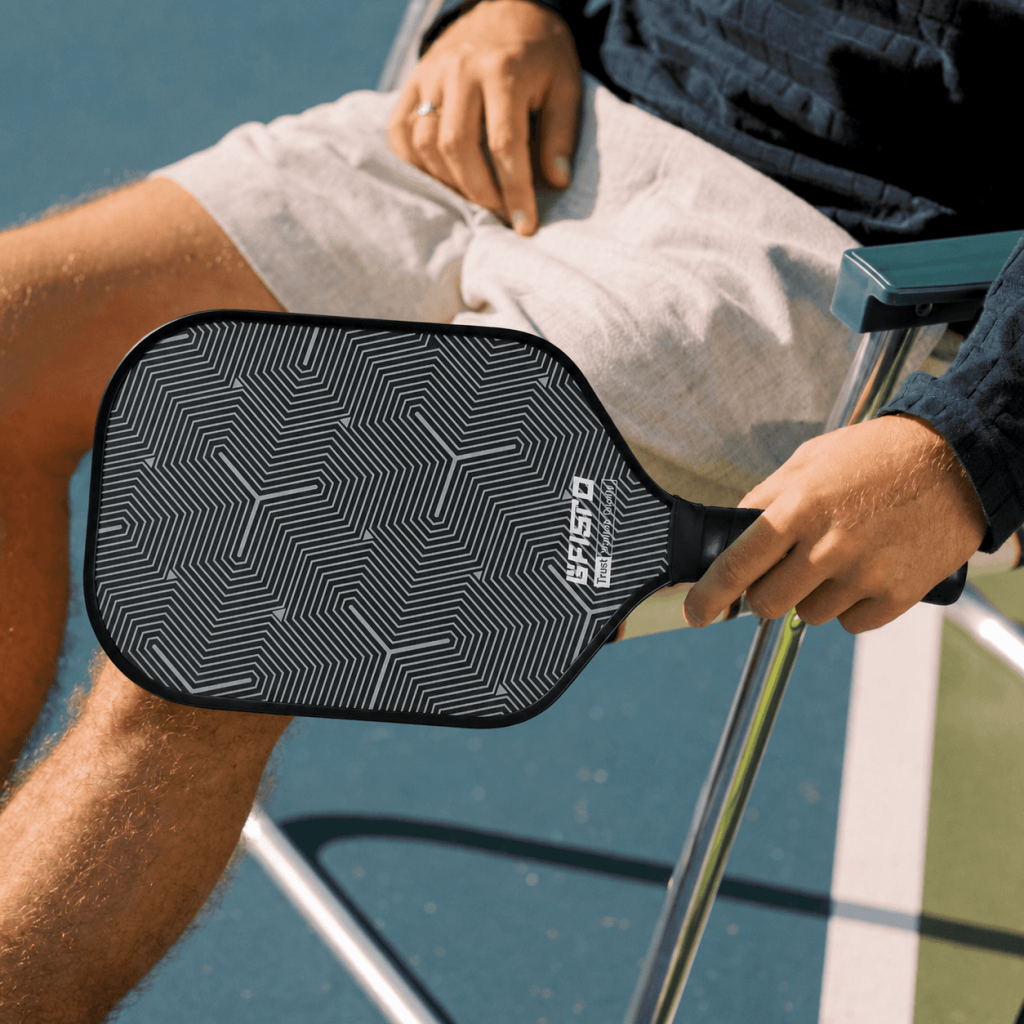
In addition to surface material, surface coating is a key factor that differentiates paddle quality. Compliant textured or wear-resistant surface greatly enhance surface friction, improve ball grip for better spin effects, and resist scratches during long-term use. Adapting to various indoor and outdoor sports scenarios worldwide with stable performance and long service life.