


Pickleball With Friends: Why Social Sports Are More Popular Than Ever
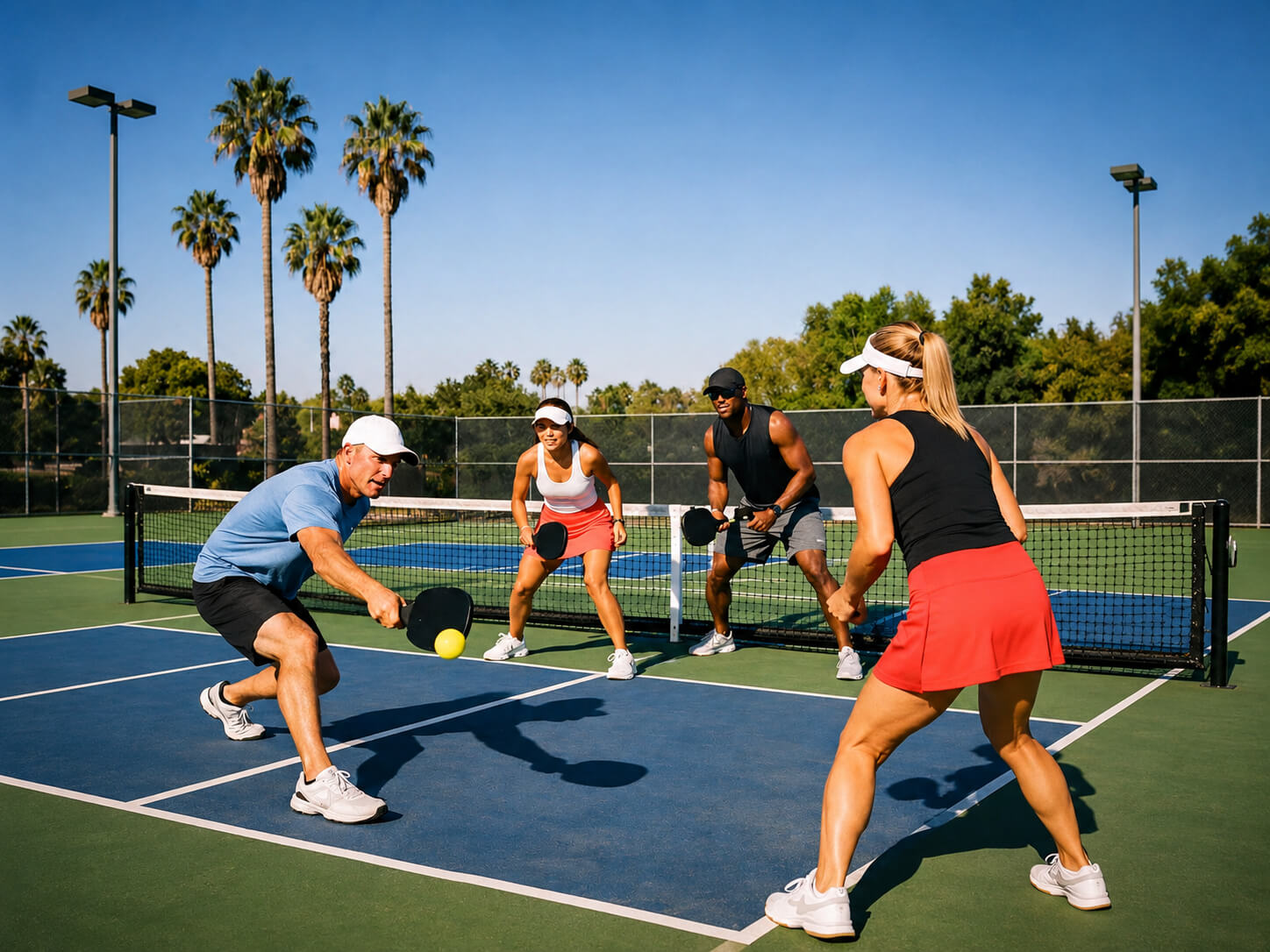
Playing pickleball with friends captures exactly why social sports have become so appealing. It combines group fitness with the relaxed atmosphere of community sports, helping beginners and experienced players connect through a welcoming pickleball community.
For many people, staying active is no longer just about completing a workout. They also want an activity that feels fun, social, and easy to fit into everyday life. Pickleball checks all three boxes: it gets people moving, creates natural opportunities for conversation, and makes exercise feel less like an obligation.
Why Social Sports Fit Modern Life
Busy schedules can make it difficult to maintain both an exercise routine and an active social life. Social sports allow people to do both at the same time.
Instead of choosing between meeting friends and working out, players can schedule a casual game after work, join an open-play session on the weekend, or organize a family match at a local park.
Pickleball’s expanding infrastructure reflects that growing interest. According to the USA Pickleball Annual Growth Report, the national court database included more than 18,000 playing locations and over 82,000 known courts by the end of 2025.
With more courts, clubs, leagues, and recreation programs becoming available, it is easier for people to make pickleball part of their social lives.
A Game Built Around Interaction
Some sports can feel isolating or overly competitive, especially for beginners. Pickleball creates a different atmosphere.
The smaller court keeps players close enough to talk between points, laugh about mistakes, and encourage each other during a match. Doubles play also encourages communication and teamwork, making the social experience part of the game itself.
A casual match is rarely just about the final score. It is also about sharing a good rally, learning a new shot together, and enjoying time away from work, screens, and daily stress.
The social connection created through regular activities can also support overall well-being. The CDC’s guidance on social connection notes that meaningful relationships can help people manage stress and support healthier behaviors, including physical activity.
Easy to Enjoy With Different Skill Levels
Another reason pickleball works so well for groups is that players do not need identical skill levels to enjoy the same game.
Beginners can focus on keeping the ball in play, while more experienced players can adjust their pace and shot selection. Friends, couples, coworkers, parents, and older family members can often share the court without making the game feel excessively demanding.
This flexibility makes pickleball well suited for:
- Weekend gatherings
- Family activities
- Company recreation events
- Community-center programs
- Neighborhood games
- Casual leagues and open-play sessions
New players may still benefit from learning basic serving, footwork, and paddle-control techniques before joining faster games. Our guide to pickleball fitness and building an active routine explains how regular, enjoyable play can become part of a sustainable lifestyle.
A Natural Way to Meet New People
You do not always need an established group of friends to start playing.
Many courts offer open-play sessions where players rotate partners and opponents throughout the day. This format makes it easier to introduce yourself, play with people at different levels, and gradually become part of the local pickleball community.
Regular games can turn unfamiliar faces into familiar partners. Over time, a weekly match may lead to new friendships, tournament teams, group practices, or social events away from the court.
That sense of belonging gives players another reason to return. They are not only coming back to exercise—they are returning to a community that recognizes and welcomes them.
The Moments Players Remember
Some of the best memories in pickleball have little to do with winning.
It might be a beginner returning an unexpectedly difficult shot, two friends laughing after running into each other, or a long rally that leaves all four players smiling. Even post-game conversations can become as memorable as the match itself.
These small experiences make the sport feel personal. They create positive associations with physical activity and make players more likely to schedule the next game.
How to Organize a Casual Pickleball Game
Starting a social game does not require complicated planning.
Invite Three Other Players
Doubles is ideal for social play because four people can stay involved while still having time to talk between games.
Choose a Convenient Court
Look for public courts, parks, recreation centers, community clubs, or gyms that offer designated pickleball times.
Bring the Basic Equipment
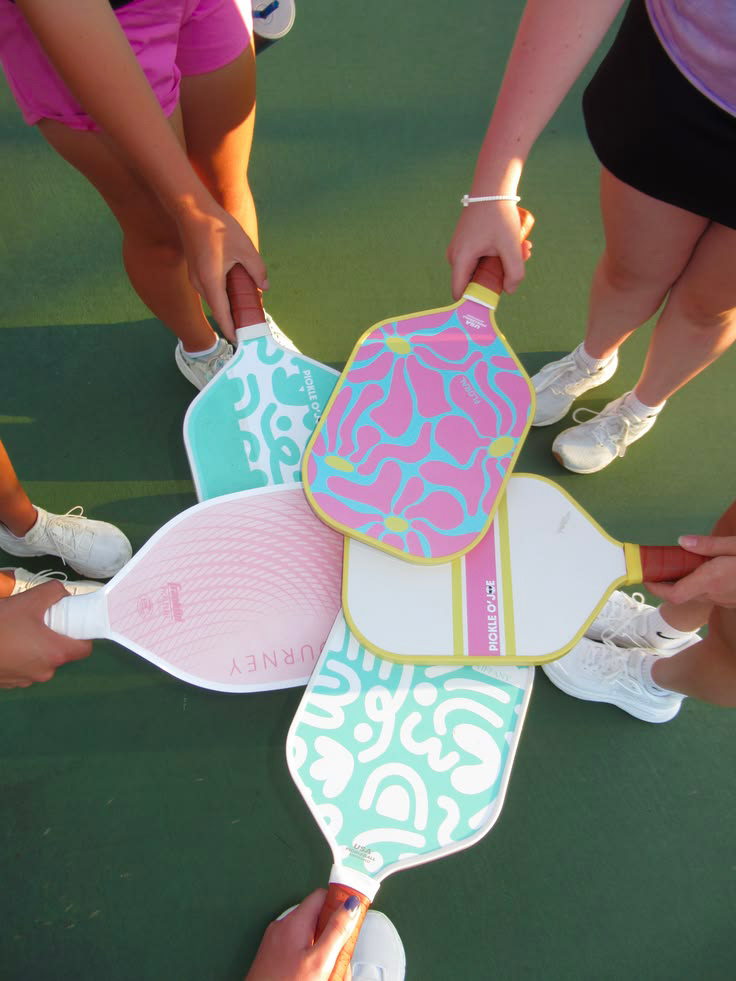
For a small group, you will need paddles, pickleballs, appropriate court shoes, water, and comfortable athletic clothing.
Groups that want a convenient all-in-one option can use a family pickleball set with two paddles, four balls, and protective gear. A complete set makes it easier to bring the necessary equipment to parks, community courts, and weekend gatherings.
Keep the First Game Relaxed
Explain the basic rules, practice a few serves, and focus on maintaining rallies. New players are more likely to return when their first experience feels welcoming rather than overly competitive.
Rotate Partners
Switching teams gives everyone a chance to interact. It also keeps the games fresh and prevents one pair from dominating every match.
Pick Up a Paddle and Join the Fun
Pickleball represents a modern approach to recreation because it brings together movement, friendship, and community.
You do not need years of experience or an intense training schedule. A few friends, a convenient court, and basic equipment are enough to get started.
Whether you are reconnecting with old friends, spending time with family, or meeting new people through open play, every match creates another opportunity to move, laugh, and connect. That combination is what makes pickleball more than a sport—and why so many people keep coming back.
FAQ
Yes. One of pickleball’s biggest advantages is its accessibility. People with different ages and experience levels can often enjoy playing together because the game focuses on skill, strategy, and teamwork.
Absolutely. Pickleball is a social sport that encourages interaction and teamwork, making it a great choice for family gatherings, friend activities, and community events.
You can join local pickleball clubs, community groups, sports centers, or online communities. Many beginners find that joining a pickleball group makes learning faster and more enjoyable.


