10 Essential Pickleball Drills for Beginners | Get Started Fast and Build Better Ball Control
When you first start playing pickleball, one of the biggest mistakes is jumping straight into casual games without structured practice. Without systematic training, progress can be slow, and you may develop poor stroke habits that become difficult to correct later.

If you want to improve your touch quickly, build solid fundamentals, and develop proper movement patterns for match play, a complete beginner training plan is essential.

This guide covers 10 core pickleball drills every beginner should practice. Together, they will help you build a well-rounded skill set from the ground up and progress faster with greater confidence.
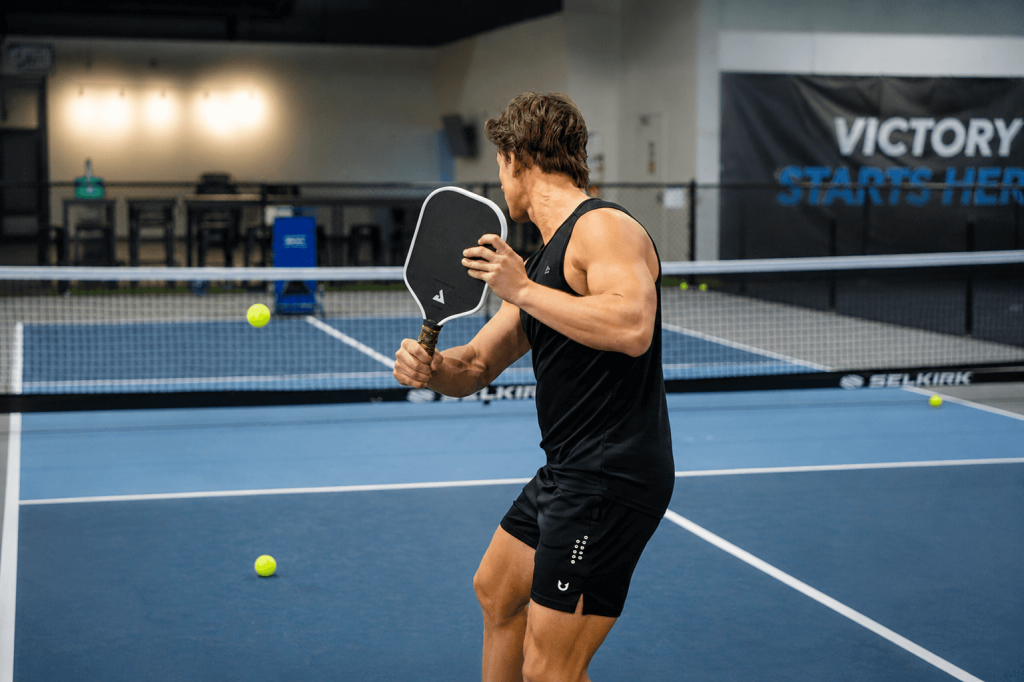
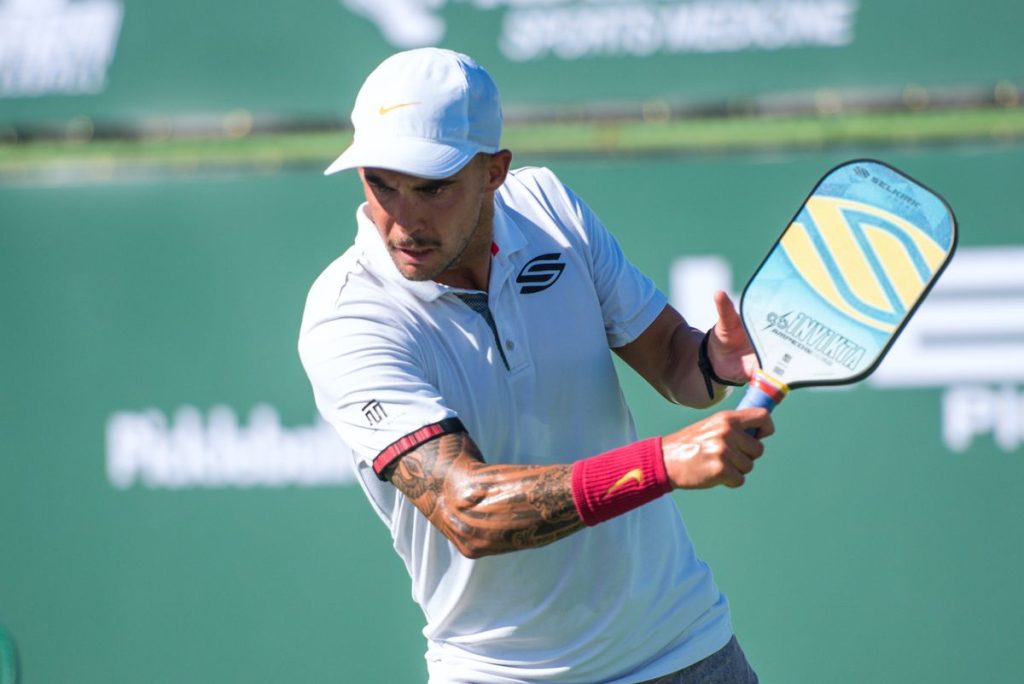
1. Wall-Hitting Drill
Improve ball control and hand-eye coordination
Wall practice is one of the simplest and most effective drills for beginners. You do not need a partner—just hit the ball repeatedly against a wall and control each rebound.
This drill helps improve hand-eye coordination, develop consistent swing timing, and familiarize you with the ball’s speed, bounce, and placement. It is an excellent way to build the touch and control needed for every other pickleball skill.
2. Forehand Drill
Build a solid offensive foundation
The forehand is one of the most frequently used strokes in pickleball. Focus on returning the ball consistently while developing proper swing mechanics and a smooth power-transfer rhythm.
Regular forehand practice improves accuracy, consistency, and shot control, giving you a reliable foundation for offensive play.
3. Backhand Drill
Strengthen a common defensive weakness
The backhand is often one of the weakest areas for beginners. Focused backhand practice helps improve your ability to handle balls on your non-dominant side and return shots when you are under pressure.
Developing a dependable backhand also creates better balance between both sides of the court and prevents opponents from targeting an obvious weakness.
4. Serving Drill
Start each rally with consistency and accuracy
Every rally begins with a serve. Regular serving practice helps develop a repeatable motion, reduce unforced errors, and improve placement.
A consistent and accurate serve allows you to begin each rally confidently and makes it easier to take control from the opening shot.
5. Return-of-Serve Drill
Create early attacking opportunities
A high-quality return of serve is essential for building an effective counterattack. Practice neutralizing your opponent’s serve with a controlled, accurate, and preferably deep return.
A strong return gives you time to move toward the net, control the pace of the rally, and create favorable opportunities for your next shot.
6. Dinking Drill
Develop essential touch and control
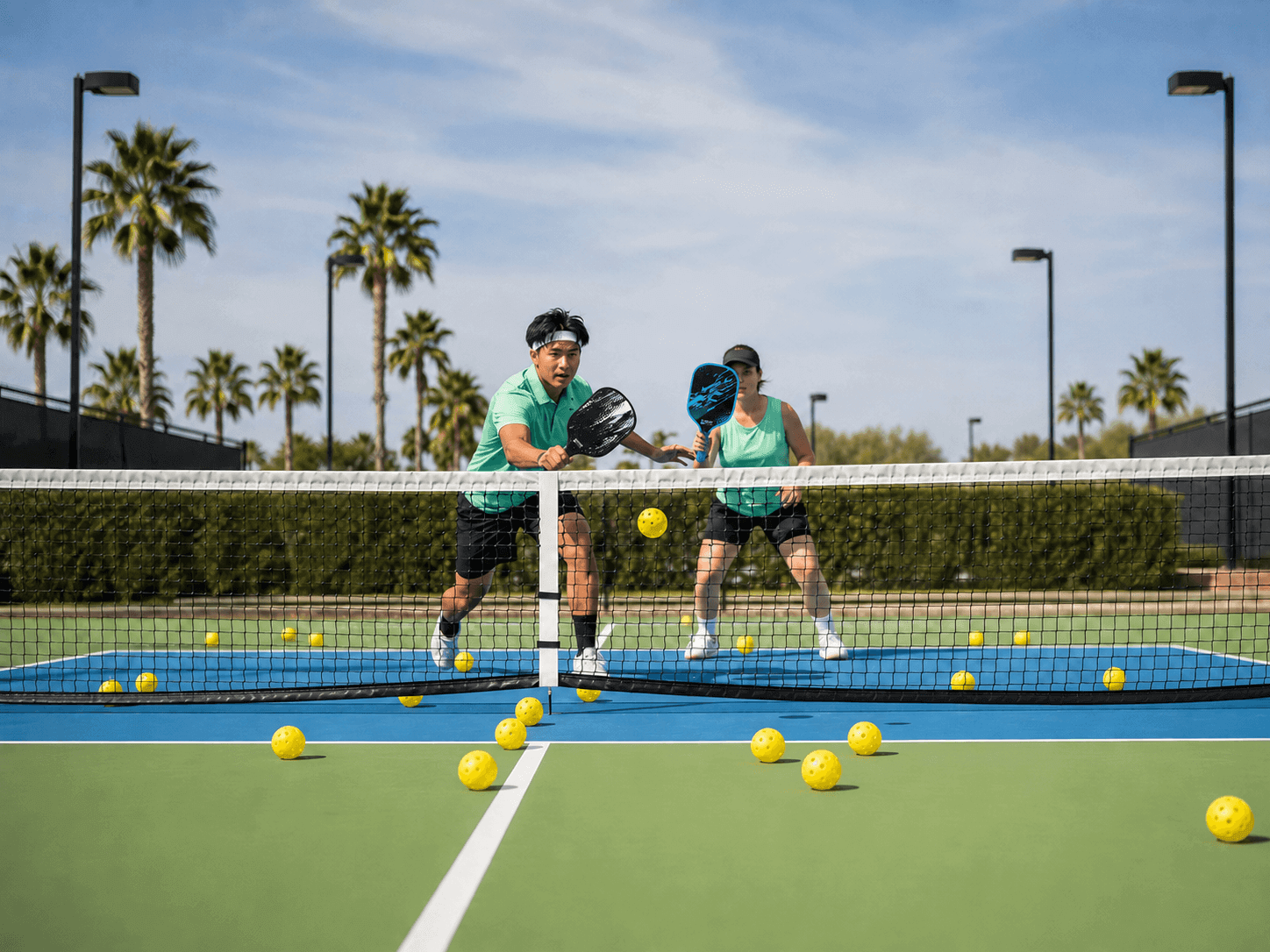
Dinking is one of the defining skills of pickleball and a key step in progressing beyond the beginner level.
Through focused pickleball dinking drills around the Kitchen, or non-volley zone, you can learn to play soft, controlled shots instead of trying to overpower every ball.
Dinking develops touch, placement, patience, and precise paddle control. It is also an essential skill for maintaining rallies and creating attacking opportunities at the net.
7. Volley Drill
Improve reaction speed and net pressure
Volleys require quick reactions and short, compact paddle movements. Regular practice can significantly improve your ability to react to fast shots and control the ball near the net.
A reliable volley allows you to intercept returns, maintain an aggressive net position, and put greater pressure on your opponents.
8. Third-Shot Drop Drill
Master a key transitional shot
The third-shot drop is one of the most important skills for beginners who want to move beyond defensive baseline play.
A focused third shot drop drill teaches you to send a soft, controlled shot from the baseline into your opponent’s Kitchen. This gives you and your partner time to move toward the net.
Mastering this shot helps connect baseline play with net play, disrupt your opponent’s rhythm, and compete for control of the court.
9. Footwork Drill
Improve full-court coverage
Good pickleball technique depends on efficient footwork. Dedicated movement drills help improve positioning, balance, and recovery between shots.
Better footwork allows you to cover more of the court, avoid reaching awkwardly for the ball, and reduce the risk of being caught out of position. It also improves overall consistency and shot efficiency.
10. Simulated Match-Play Drill
Apply your skills and gain practical experience
The final step is combining individual techniques in realistic match situations.
Simulated match play helps you understand offensive and defensive patterns, court positioning, shot selection, and partner coordination. It also reveals weaknesses and poor habits that may not be noticeable during isolated drills.
By applying your skills in realistic rallies, you can refine your technique and gain valuable match experience.
Final Thoughts
There are no shortcuts to improving at pickleball. Repeating and refining the fundamentals is often the fastest way to become a better player.
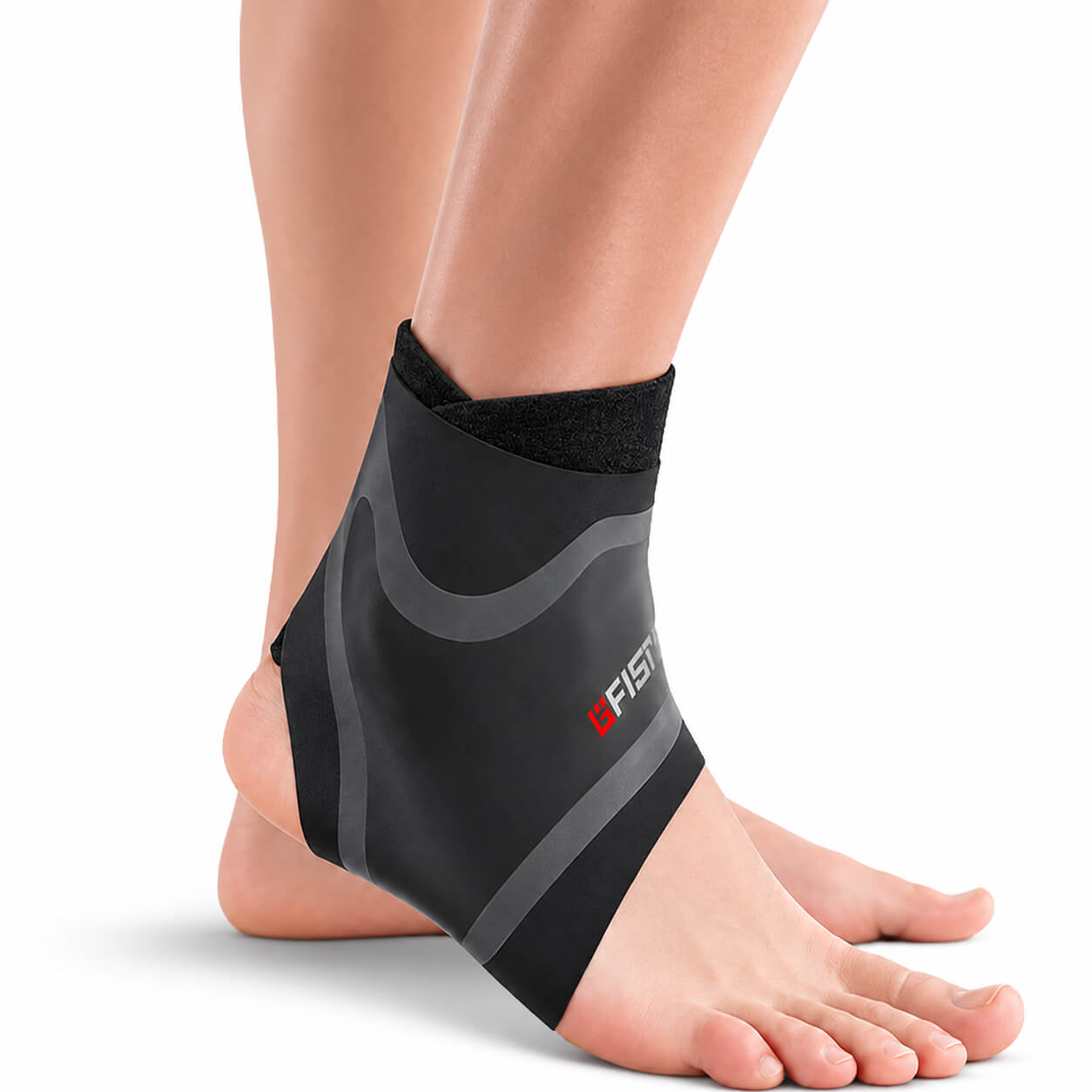
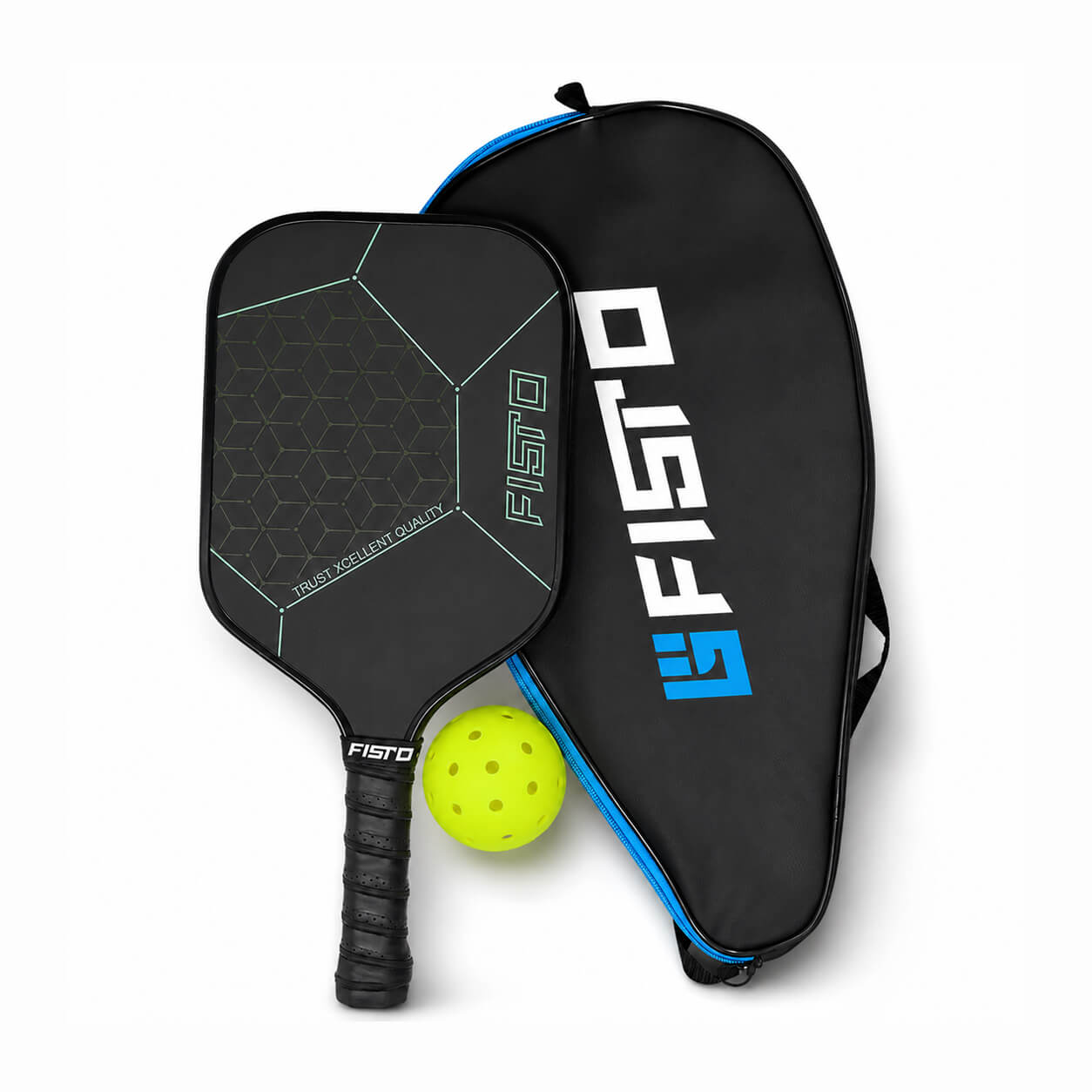
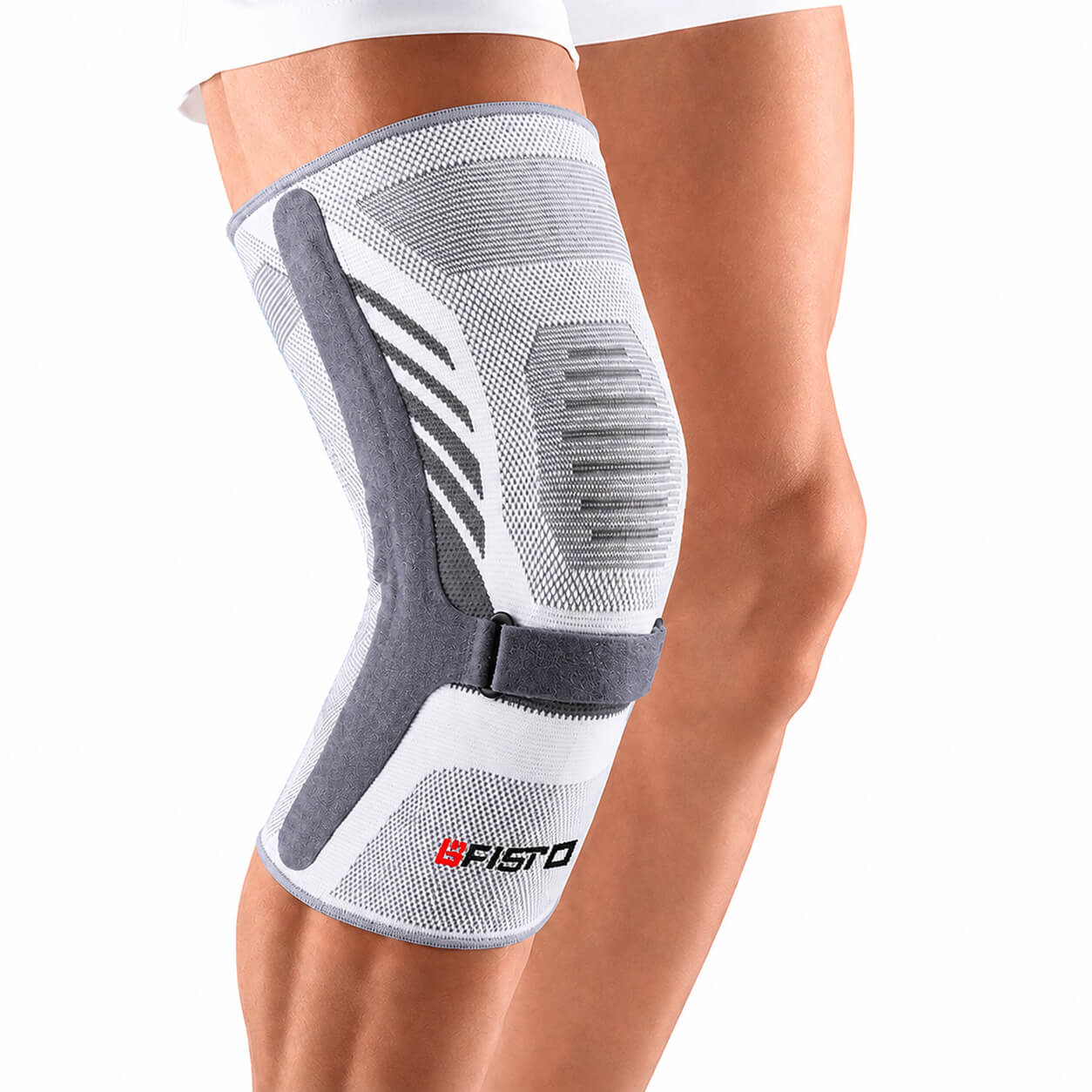
Practice these 10 drills consistently and combine them with suitable equipment, such as pickleball paddles for beginners and reliable sports protective gear. Over time, you will avoid common beginner mistakes, develop better technique, improve your control, and play with greater confidence on the court.
FAQ
Start with dinking, as it is one of pickleball’s most fundamental and distinctive skills. Next, focus on the third-shot drop and basic forehand and backhand strokes. Mastering these techniques will quickly improve your rally consistency and ability to move up to the net.
It is difficult. Structured, skill-specific training helps develop proper technique and good tactical habits. Simply playing casual games can reinforce incorrect movements and often results in slower progress.
Choose a pickleball paddle that suits your playing style and pair it with professional sports protective gear. The right equipment can improve training comfort while reducing the risk of sports-related injuries.