How to Choose the Right Knee Brace
As exercise and fitness become increasingly popular, knee braces have become essential equipment for many sports enthusiasts. However, with so many styles available, many people have the same question: How do you choose the right knee brace?

The following five tips can help you quickly find a knee brace that suits your needs.
1. Identify Your Intended Use
First, determine why you need a knee brace.
Common activities include:
- Everyday fitness training
- Running
- Racket sports such as pickleball and padel
- High-intensity strength training
Different activities require different levels and types of support. Understanding your intended use is the first step toward choosing the right product.
2. Choose the Right Type
Several common types of knee braces are available:
Compression Knee Sleeves
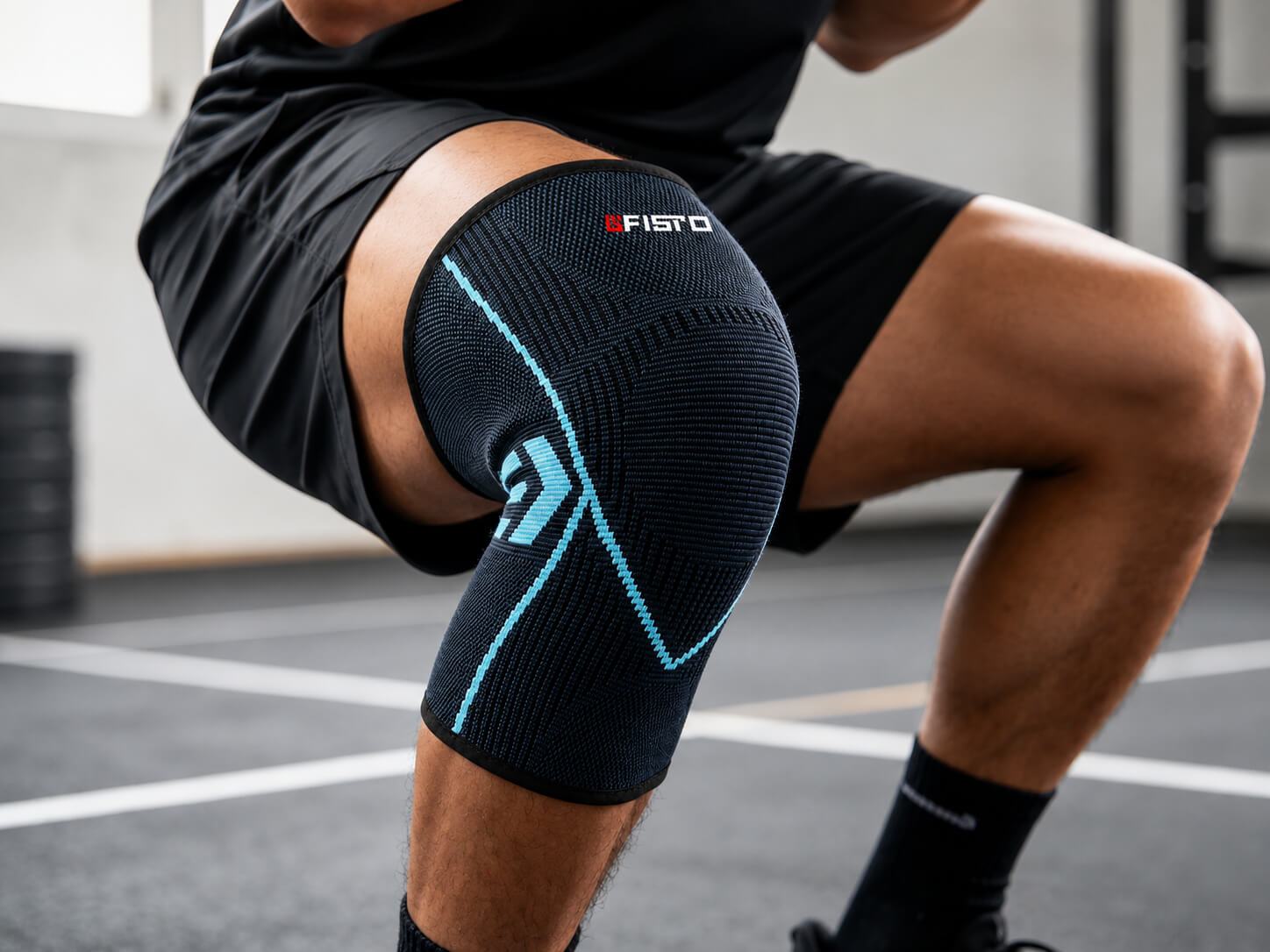
A compression knee sleeve provides even compression and light support, making it suitable for everyday exercise.
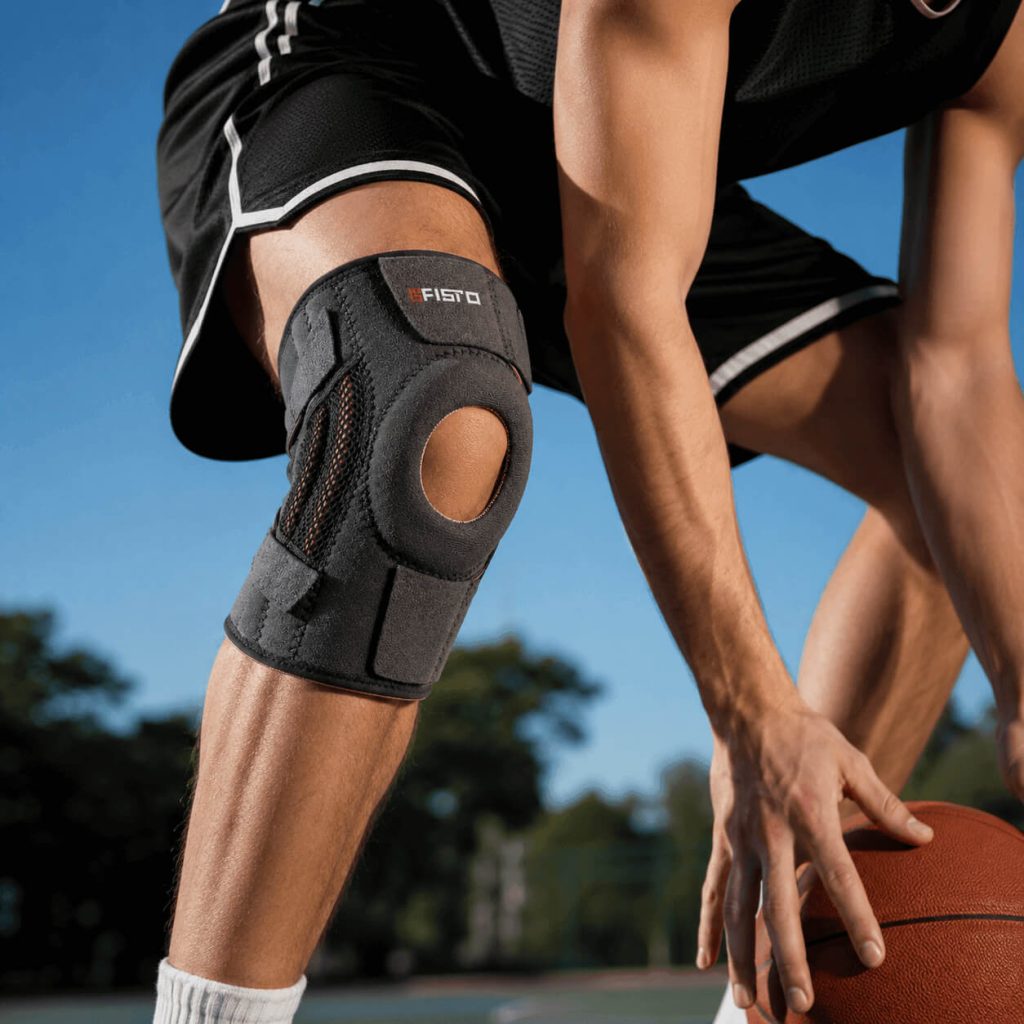
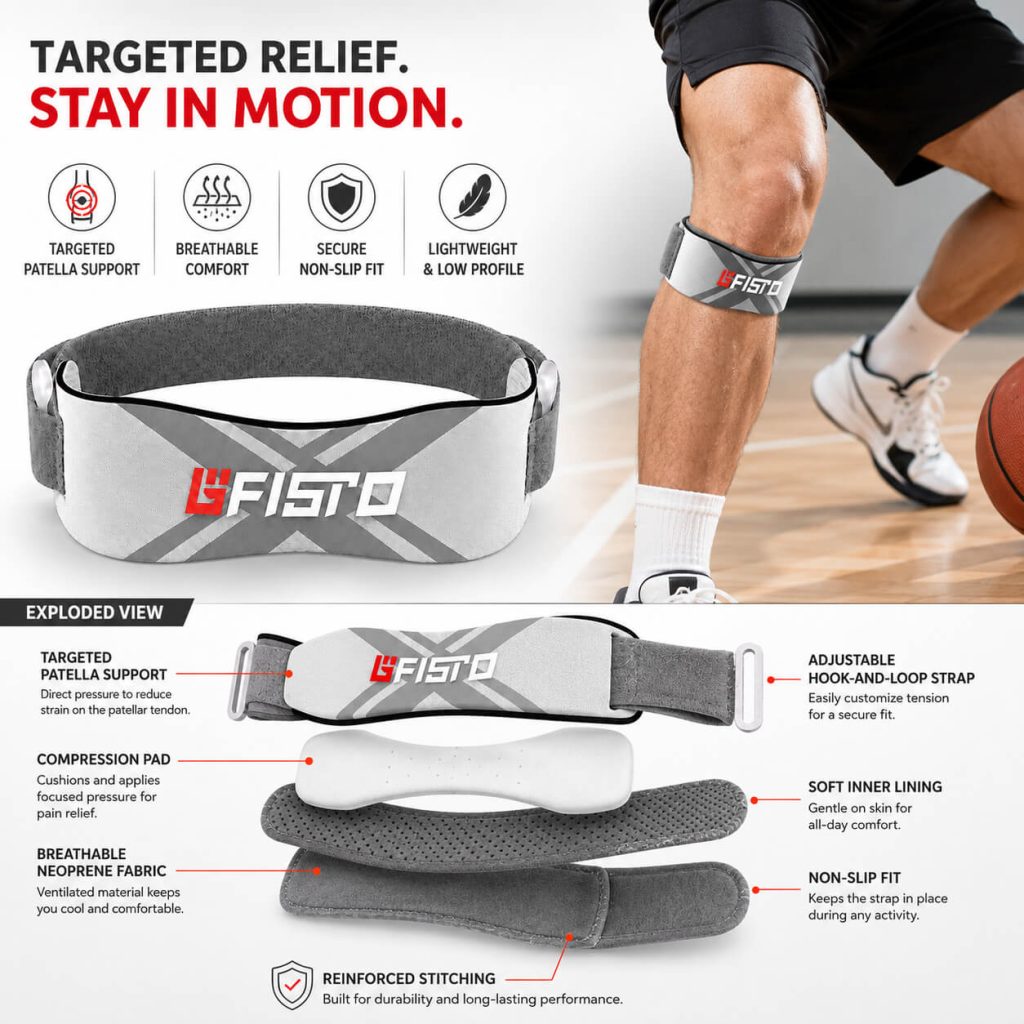
Patella-Support Knee Braces
These braces help stabilize the kneecap and are suitable for sports involving frequent jumping and rapid changes of direction.
Adjustable Strap Knee Braces
Adjustable straps allow you to control the tightness and create a more secure, personalized fit.
Choosing a brace that matches your activity will generally provide better comfort and support.
3. Prioritize Comfort and Breathability
A good knee brace should provide adequate support while remaining comfortable during extended wear.
Look for features such as:
- Breathable knitted fabric
- High-stretch compression material
- Moisture-wicking construction
These features help reduce heat and moisture buildup, allowing you to exercise more comfortably.
4. Make Sure the Size Is Right
Many people assume that a tighter knee brace provides better support, but this is not necessarily true.
A suitable knee brace should:
- Fit securely around the knee
- Allow normal movement
- Stay in place without slipping
- Remain comfortable during extended wear
Proper knee brace fit should feel snug and secure without causing pain or restricting circulation. Measure your leg circumference and check the manufacturer’s size chart before purchasing.
5. Pay Attention to Product Quality
High-quality knee braces are usually made from durable fabrics and highly elastic fibers. These materials help maintain consistent support over time and resist deformation after repeated washing.
Choosing a reliable sports knee support can provide a better wearing experience and greater long-term durability.
Conclusion
Knee braces are not only for professional athletes. They can also be useful training companions for anyone who enjoys an active lifestyle.

Consider your activity type, required support level, fit, and comfort when choosing a knee brace. The right product can help you exercise with greater comfort, confidence, and support.

If you have persistent knee pain, swelling, numbness, or instability, consult a healthcare professional before using a knee brace.
FAQ
No. A knee brace should fit snugly without being too tight. If it is too tight, it may cause discomfort; if it is too loose, it will not provide effective support. Choose the correct size based on your leg circumference.
Yes. Lightweight compression knee sleeves are suitable for running. For pickleball, padel, basketball, and similar sports, a knee brace with moderate support is recommended. Strength training generally requires a brace with a higher level of support.
Focus on support level, size, material, and breathability. Choose a knee brace that matches your activity, feels comfortable, and stays securely in place to achieve the best support and protection.