









[AR] [FR] How to Choose the Right Knee Brace for Pickleball
[AR] [FR] Choosing the right pickleball knee brace can help you feel more comfortable and supported during quick movements on the court. This knee brace guide explains how to compare a lightweight knee sleeve, a cushioned patella brace, and a more structured knee support based on your playing style and individual needs. Many people assume that pickleball is easy on the knees because the game is less physical than basketball or tennis. In reality, pickleball involves frequent lateral shuffling, sudden stops, quick changes of direction, and repeated lunges near the kitchen line. These movements can place ongoing stress on the knees, especially when a player has limited lower-body strength, poor movement mechanics, or a history of knee discomfort. Over time, repetitive loading may contribute to irritation around the kneecap or added stress on the structures surrounding the knee. A well-fitted knee brace will not replace proper warmups, strength training, or medical care, but it may provide additional compression, stability, and confidence during play. Unlike heavy-duty braces designed for post-surgical recovery or high-impact contact sports, a pickleball knee brace should meet…
READ MORE →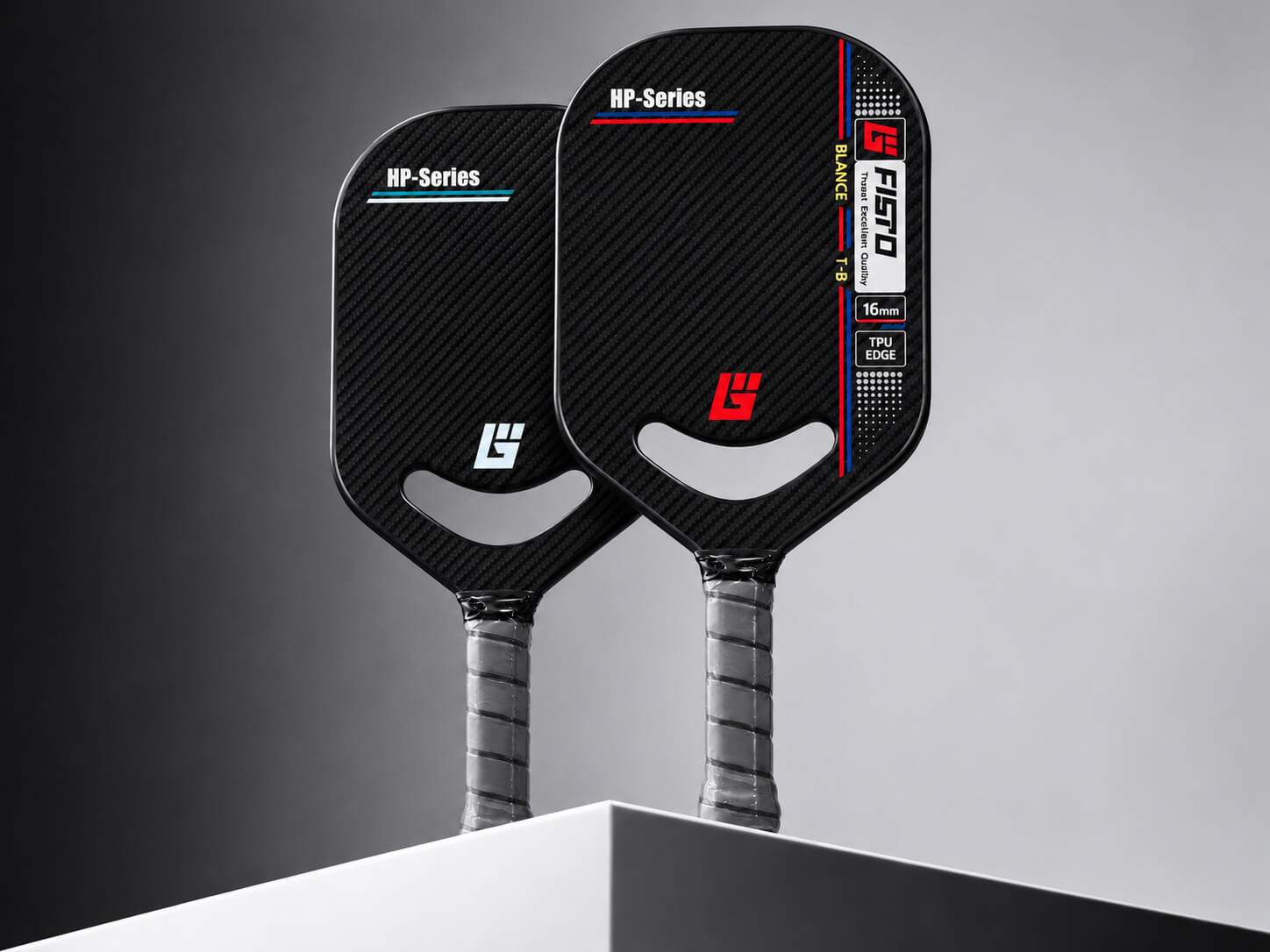
[AR] How Pickleball Paddle Texture Affects Spin
[AR] Pickleball paddle texture can influence ball contact, but a rougher surface does not automatically produce more pickleball spin. Understanding paddle friction helps explain why. Whether you are considering a raw carbon fiber paddle or comparing a pickleball paddle for spin, look beyond how the face feels under your fingertips. The key question is how the ball interacts with the paddle during impact—and whether that interaction helps you produce consistent shots. Does a Rougher Paddle Surface Create More Spin? Not necessarily. Surface roughness, friction, and spin describe different things. TermWhat it describesSurface roughnessThe height, spacing, and pattern of surface featuresFrictionResistance to sliding between the ball and paddleSpinThe ball’s rotation after contact In its pickleball paddle surface analysis, Digital Metrology compared two paddles and found that the paddle that felt rougher had lower measured average surface roughness but higher static friction. That distinction matters: an average roughness measurement does not fully describe how a surface interacts with a ball. The study compared two paddles using a static friction test; it did not measure shot spin or establish a universal ranking of…
READ MORE →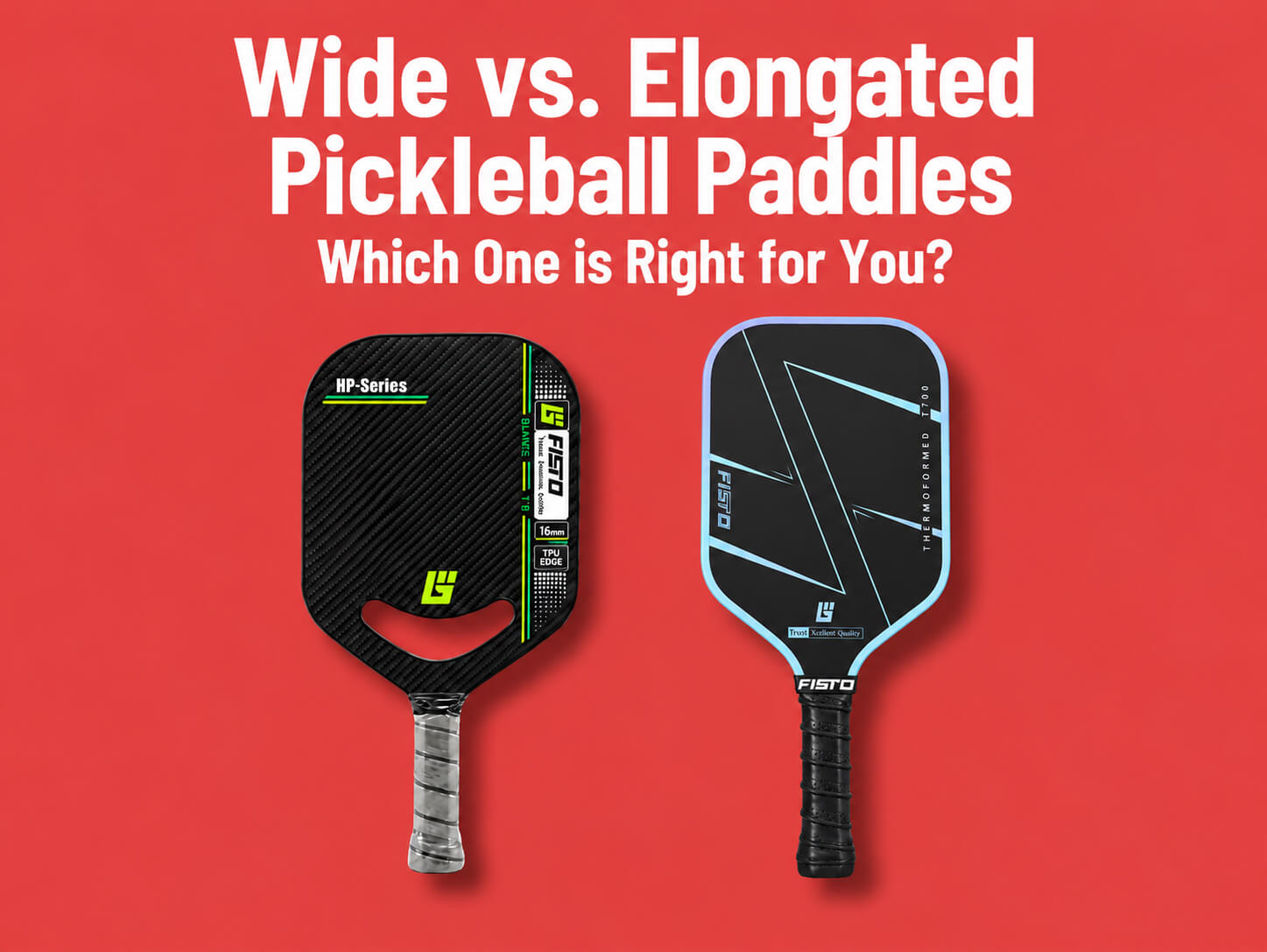
[AR] Widebody vs. Elongated Pickleball Paddles: Which Shape Fits Your Game?
[AR] A widebody pickleball paddle offers a broader face, while an elongated pickleball paddle trades some width for additional length and reach. When comparing pickleball paddle shapes, consider the paddle sweet spot, paddle swing weight, and handle dimensions alongside the outline. Which should you try first? Start with a widebody if you prioritize face width and forgiveness. Try an elongated design if extra reach matters more. Neither shape automatically delivers better power or control—the complete paddle and your technique determine the result. Widebody vs. Elongated Paddles at a Glance FeatureWidebody paddleElongated paddleGeneral proportionsBroader face and shorter overall profileLonger, narrower profileMain reason to consider itMore face width for making contactAdditional reachOff-center responseMay offer greater forgiveness, depending on constructionDepends on reinforcement and weight distributionHandlingCan feel compact during quick exchangesMay require more effort to reposition if swing weight is higherTwo-handed backhandPossible with sufficient handle lengthPossible with sufficient handle lengthUseful starting point forPlayers prioritizing contact consistencyPlayers prioritizing reach These are comparison guidelines, not fixed performance ratings. Check the actual dimensions and specifications of each model. What Is a Widebody Pickleball Paddle? A widebody paddle…
READ MORE →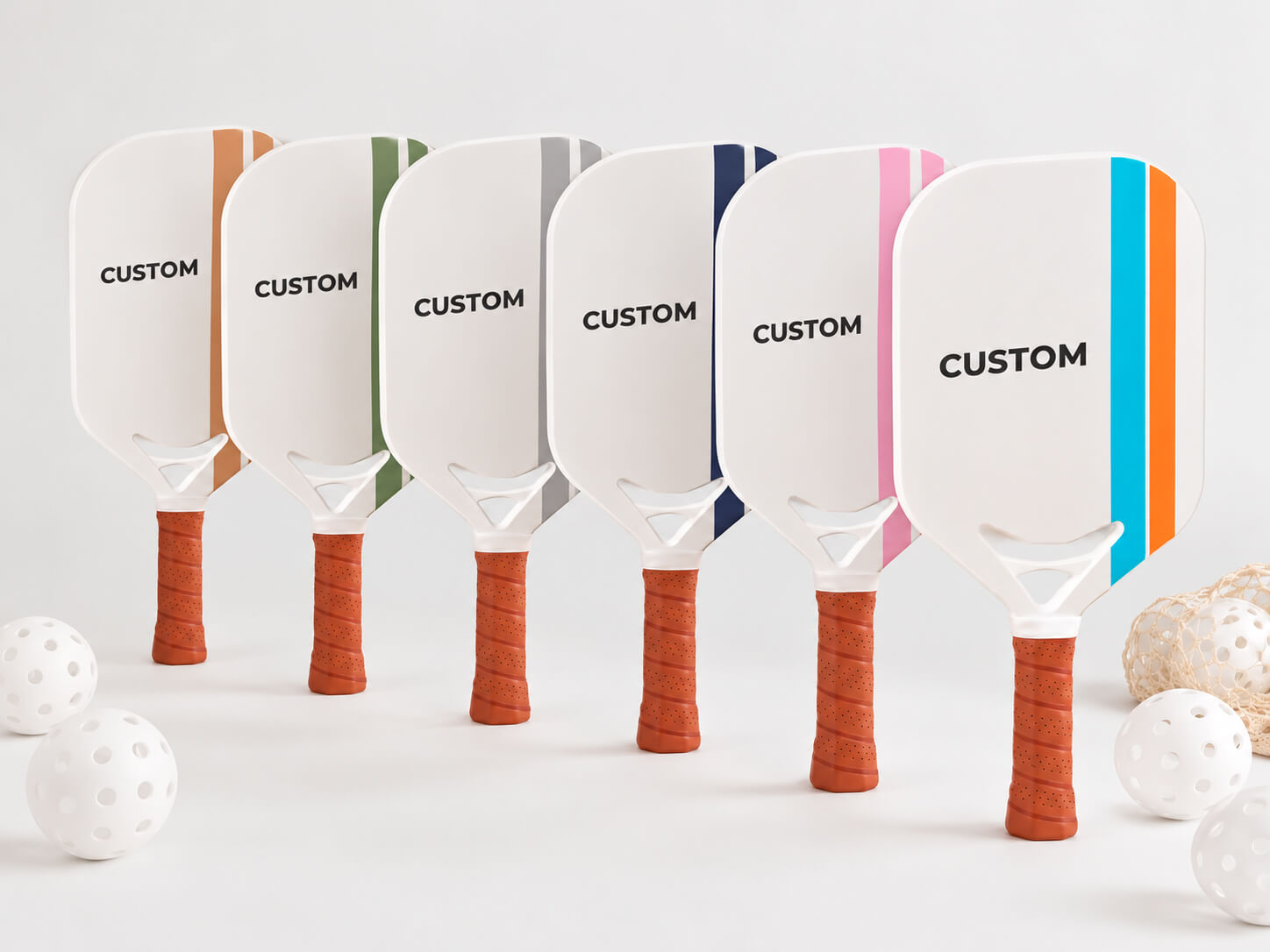
[AR] Custom Pickleball Paddles: What Can You Customize?
[AR] Custom pickleball paddles give sports brands, retailers, and clubs a way to create equipment with a recognizable identity. When developing private label pickleball paddles, your options may include custom paddle design, different paddle materials, and branded packaging—depending on the supplier’s capabilities and your order requirements. You do not always need to develop a completely new paddle. An existing construction with your graphics and packaging can be a practical starting point. More extensive changes to shape, materials, and structure require additional development and sample evaluation. Here is what to discuss before placing your first order. 1. Paddle Shape and Dimensions Start with the intended player and the purpose of the product. An elongated design may appeal to players who want additional reach. A wider face provides a broader hitting area, while a standard shape can offer familiar proportions for recreational use. Ask your supplier which existing shapes are available and which changes would require new tooling. Confirm the overall length, width, handle dimensions, and target weight together, since changing one feature can affect the others. If the paddle is intended…
READ MORE →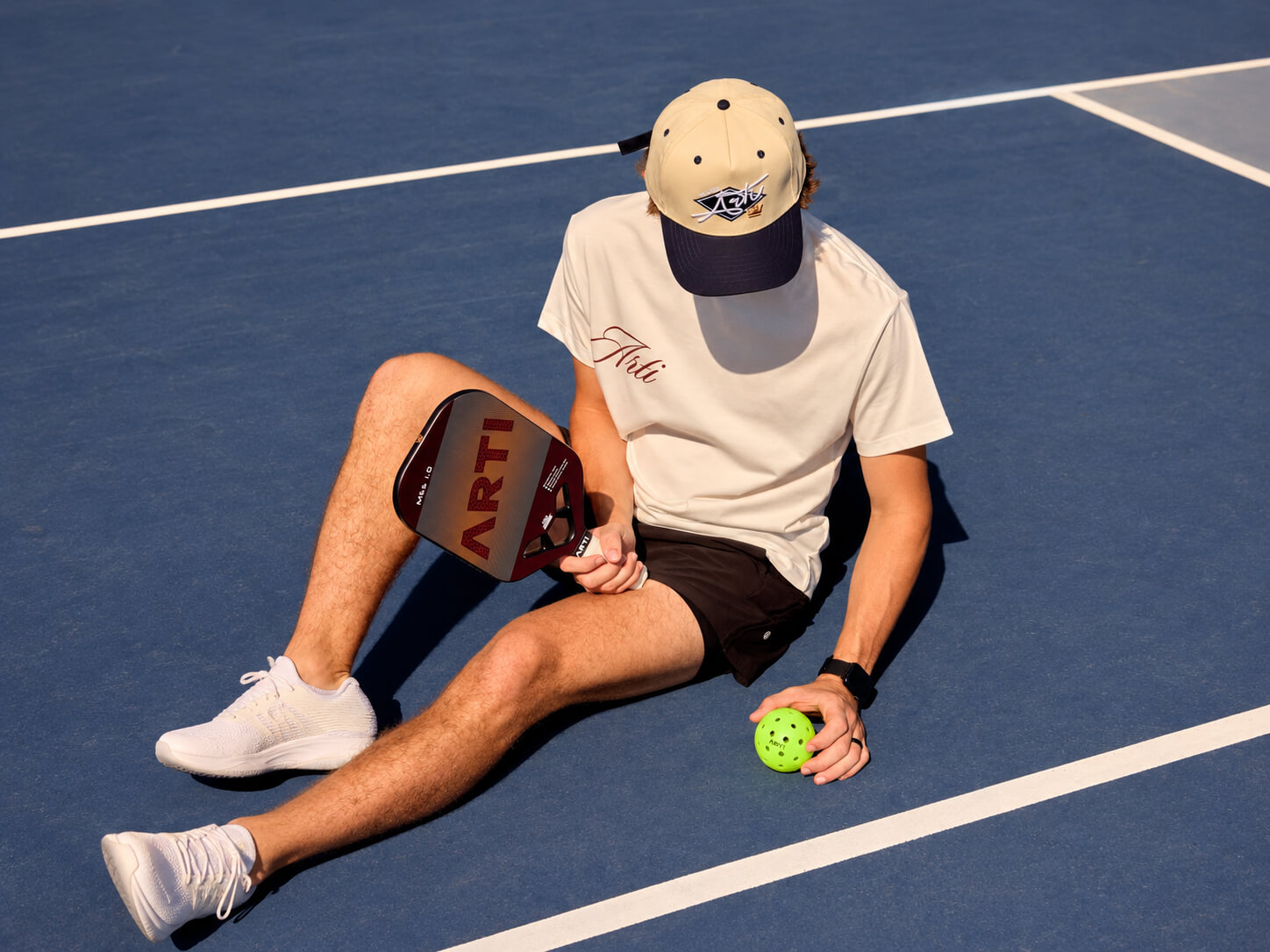
[AR] What Is T700 Carbon Fiber? A Simple Guide for Pickleball Players
[AR] T700 carbon fiber is a familiar term when shopping for carbon fiber pickleball paddles, but what does it tell you about performance? This guide explains where it fits among pickleball paddle materials, compares T700 vs fiberglass, and covers what to check before choosing a T700 pickleball paddle. The key distinction is straightforward: T700 identifies a fiber grade, while a paddle’s playing characteristics come from its complete construction. The label alone cannot tell you how much power, control, or spin to expect. What Does T700 Mean? T700 is associated with Toray’s TORAYCA™ carbon fiber range. For a specific reference, the official Toray T700S carbon fiber data sheet lists these fiber properties: PropertyPublished T700S valueWhat it describesTensile strength4,900 MPaResistance to breaking under tensionTensile modulus230 GPaResistance to stretching under tensionDensity1.80 g/cm³Mass per unit volume These figures describe T700S fiber. They are not measurements of a finished pickleball paddle’s strength, stiffness, weight, or durability. The data sheet separately lists composite properties under specified processing conditions, illustrating why the distinction matters. For buyers, “T700” is a useful starting point for understanding the material specification.…
READ MORE →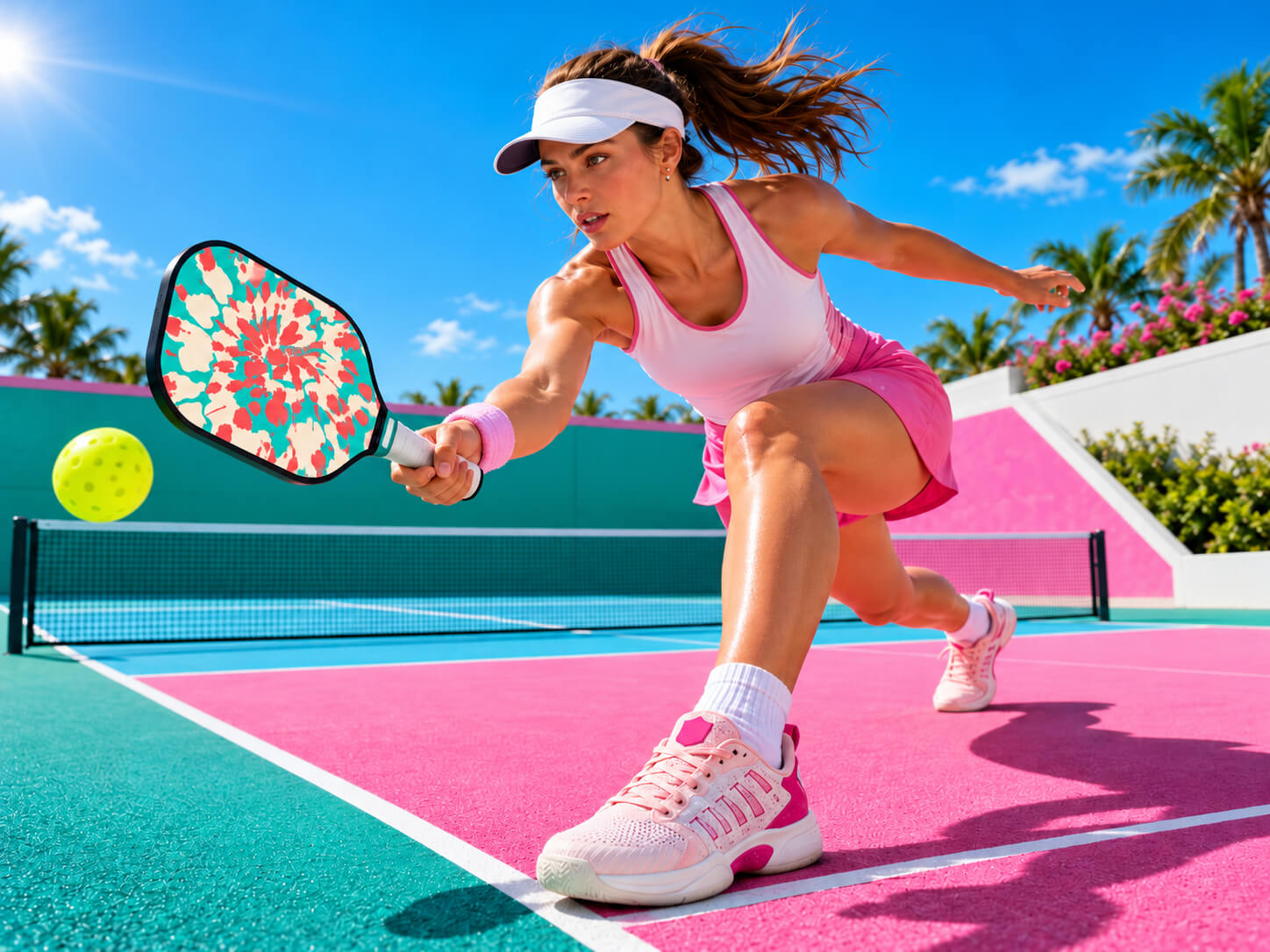
[AR] How to Choose a Pickleball Paddle That Fits Your Game
[AR] Learning how to choose a pickleball paddle starts with understanding what feels comfortable and works for your playing style. Pickleball paddle weight, core thickness, and grip size are useful starting points. If you enjoy both attacking shots and soft placement, an all-around pickleball paddle may be worth considering. You do not need to understand every material or manufacturing process before buying. Start with the shots you play most often, narrow down your priorities, and compare how different paddles feel during actual rallies. Start With Your Playing Style Think about where you feel comfortable on the court—and where you want more consistency. Drives and attacking shots: Look for a response that lets you generate pace while keeping the ball in play. Dinks, blocks, and resets: Pay attention to whether you can control depth and placement with a compact swing. A mix of both: Compare paddles that feel manageable during quick exchanges and predictable during softer shots. Test more than your strongest shot. A paddle that feels great on a drive should also feel comfortable when you block a hard volley…
READ MORE →

